


When to Make Savory Bread Recipes
I could eat home-baked bread any day. That said, here are some specific instances where a savory fluffy or crusty bread will round off a meal completely or will pair perfectly with dips and sauces as a tasty appetizer or snack:
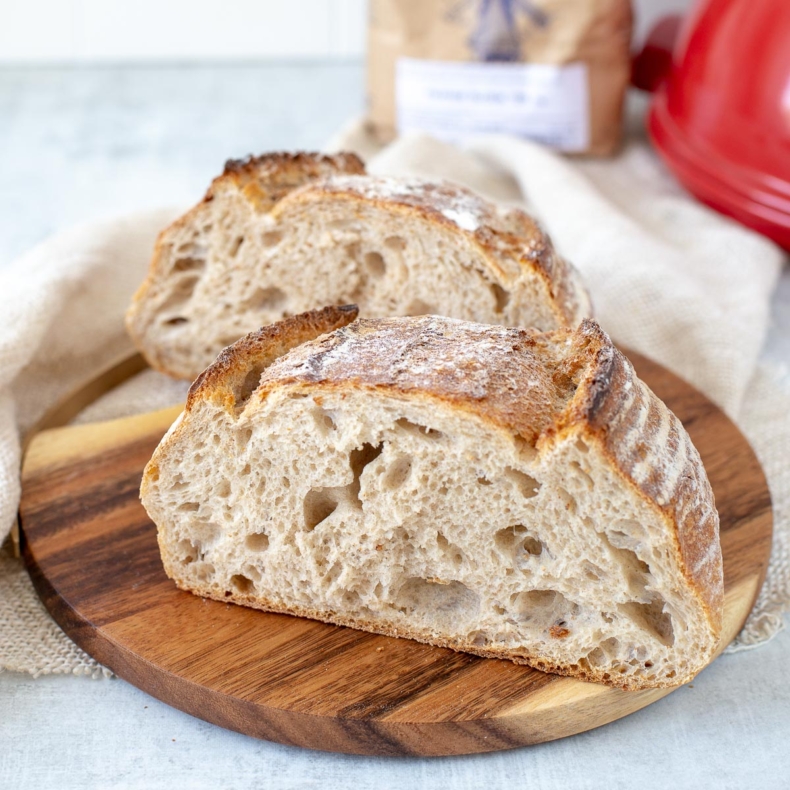
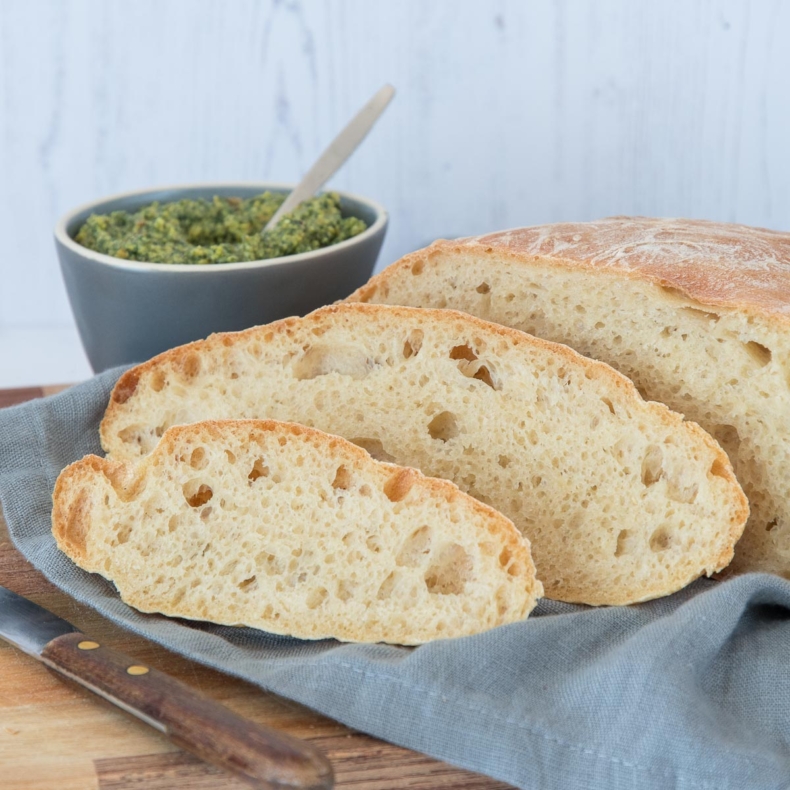
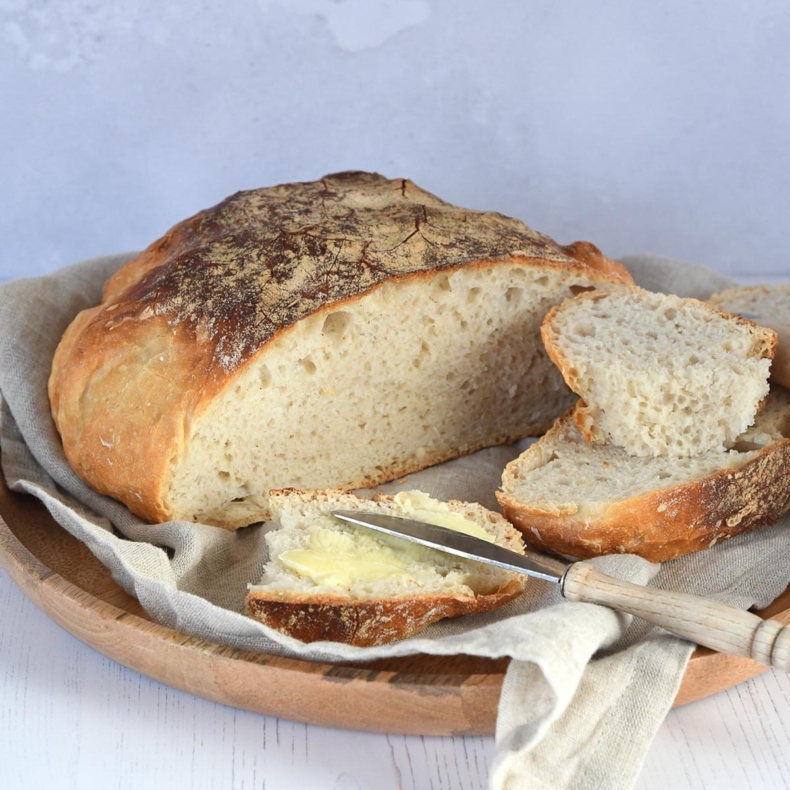
- Everyday baking: A fresh loaf of no-knead bread elevates even the simplest meal, from a bowl of Italian tomato soup to a simple sandwich.
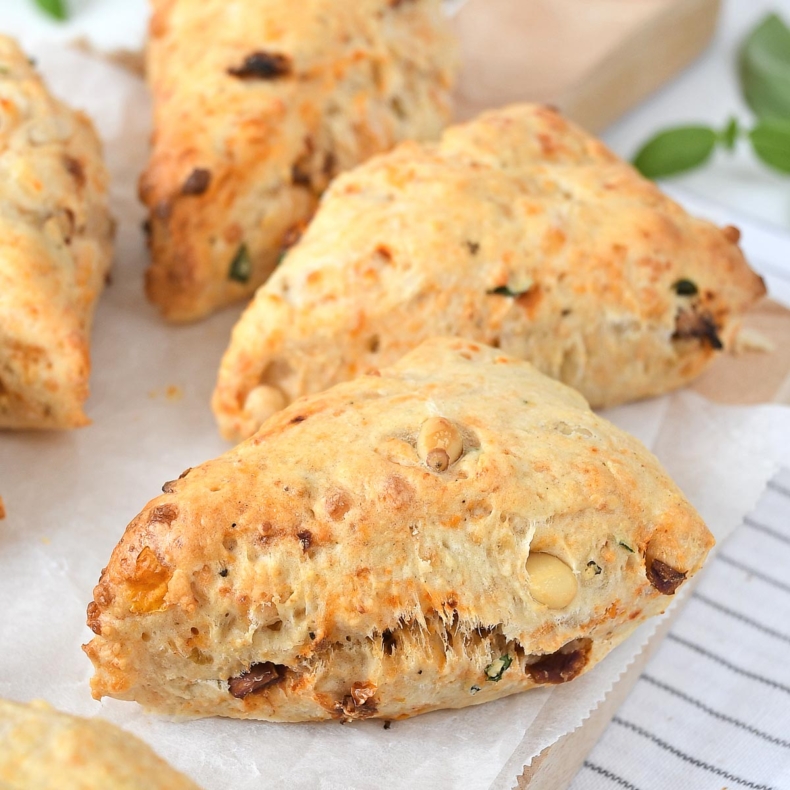
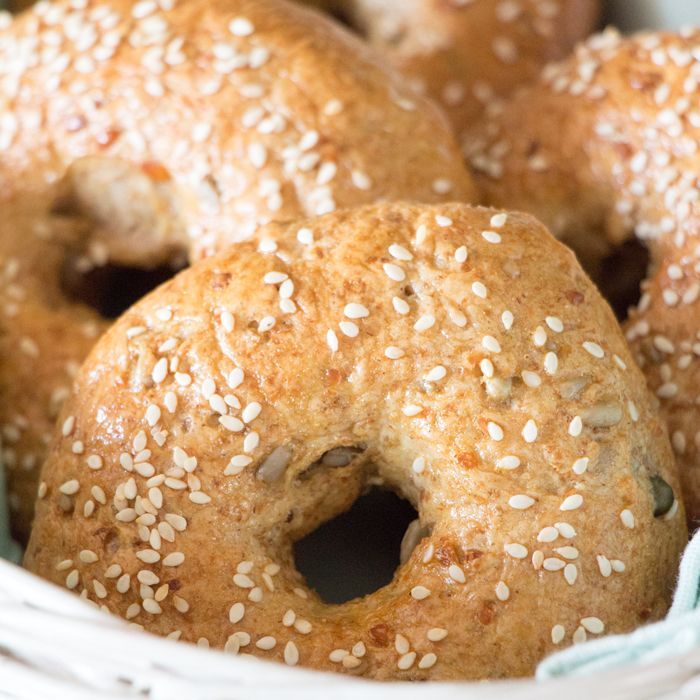
- Breakfast and brunch: Multigrain bagels and savory scones are wonderful additions to a weekend breakfast or brunch spread.
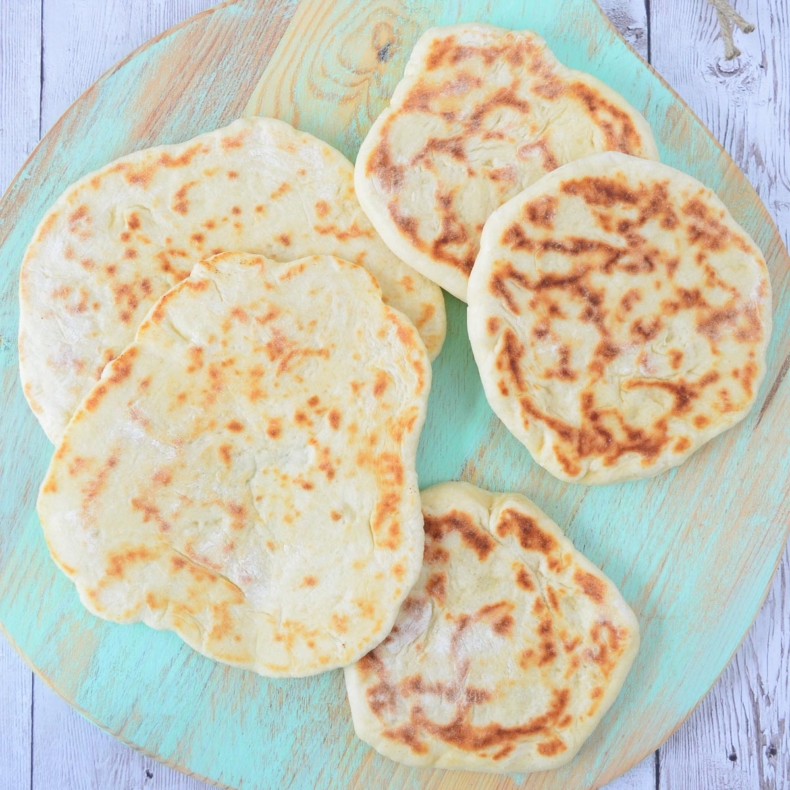
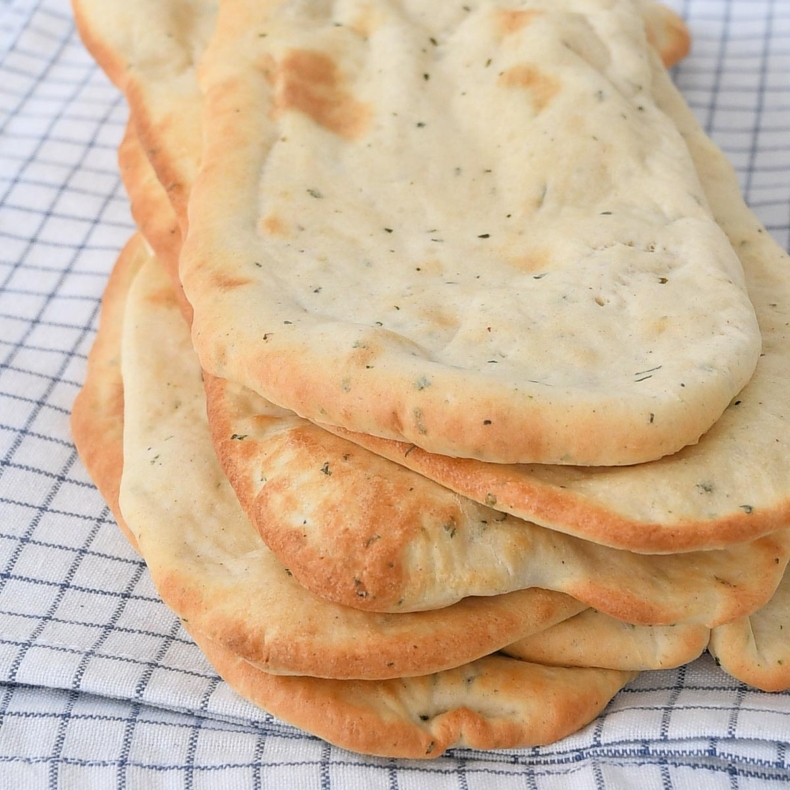
- Dinner sides: Naan bread and focaccia are perfect for mopping up sauces, soups, and stews.
- Holidays and special occasions: Hot cross buns are a beloved tradition for Easter, while beer bread makes a rustic, impressive addition to any gathering like game day.
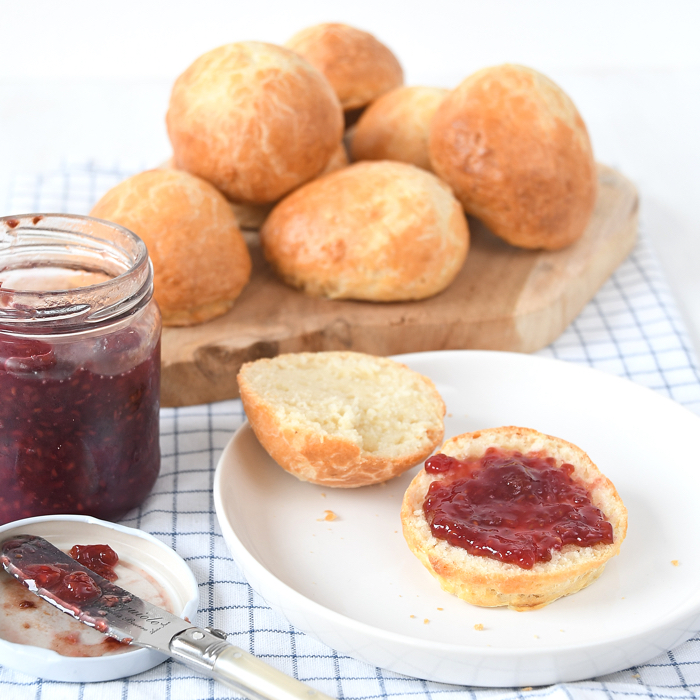
- Gifts and sharing: A homemade loaf of bread is one of the most thoughtful gifts you can give. Wrap it up with a little butter or strawberry jam, and you have a present anyone would love.
Types of Savory Breads
This collection of savory bread recipes covers an exciting range of bread, from yeast-risen loaves to quick breads and flatbreads. You can experiment with:
- Yeast breads: No-knead whole wheat bread, easy Greek yogurt bread (no yeast and no knead!), and classic sandwich loaves.
- Flatbreads: Naan bread, focaccia, and pita bread.
- Small breads: Multigrain bagels, soft pretzel bites, and hot cross buns.
- Quick breads: Beer bread and savory scones, which don’t require yeast or rising time.
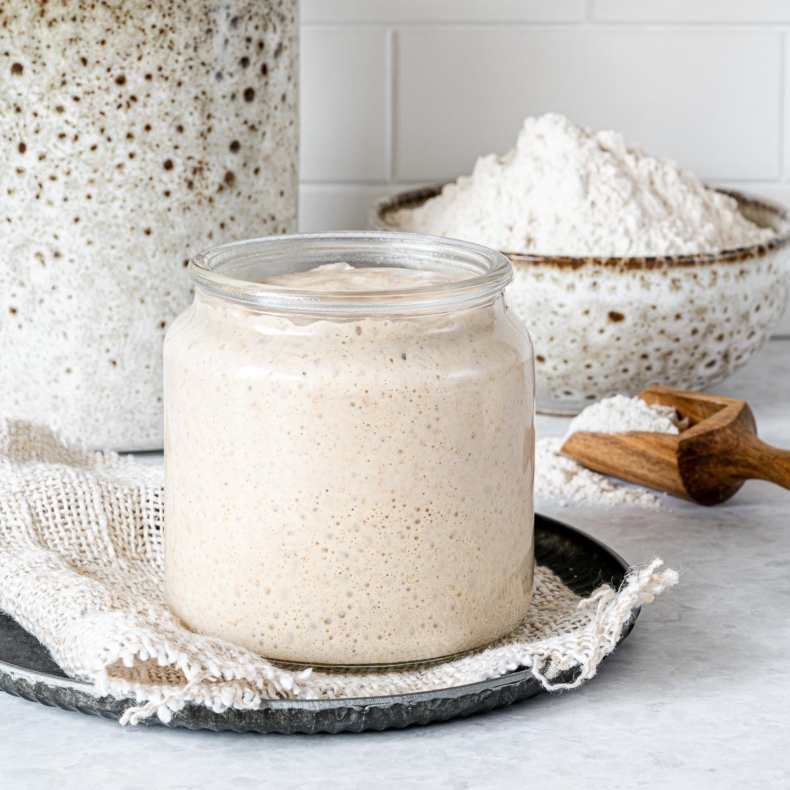
- Sourdough: Learn how to make a sourdough starter and unlock a whole world of naturally leavened breads.
Tips for Making and Preparing the Best Savory Bread
Creating beautiful, bakery-worthy bread at home can be done by anyone. Here are a few simple tips to ensure success every time:
- Weigh your ingredients: For the most consistent results, use a kitchen scale rather than measuring cups. Bread baking is a science, and precise measurements make a big difference.
- Don’t overmix or overknead: When making quick breads like savory scones or beer bread, mix the dough only until it just comes together. Overmixing can result in tough, dense bread rather than light and tender crumb.
- Let the dough rest: Even no-knead breads benefit from a long, slow rest. This allows the flour to fully hydrate and develop flavor without any effort on your part.
- Pay attention to temperature: Yeast is sensitive to temperature. Use lukewarm water (not hot) to activate yeast, and let dough rise in a warm, draft-free area of your kitchen.
- Steam: For crusty breads like no-knead loaves or bagels, creating steam in the oven (by placing a pan of water on a lower rack) helps achieve a beautifully crisp crust.
- Let bread cool before slicing: It’s tempting to cut into a warm loaf right away, but letting it cool allows the crumb to set properly. If you cut too soon, the bread can become gummy.
- Store bread properly: Homemade bread without preservatives is best enjoyed within a few days. Keep it wrapped at room temperature, or slice and freeze it for longer storage.
For those who have never made bread before, it can seem like a daunting task. But trust me, the recipes here at Laura’s Bakery will show you that even a complete beginner can bake a scrumptious loaf right from the comfort of their own kitchen. And it’s so rewarding too!