Dutch Kattentongen (Thin Butter Cookies)

Posted: November 27, 2026
Dutch Kattentongen (Thin Butter Cookies)

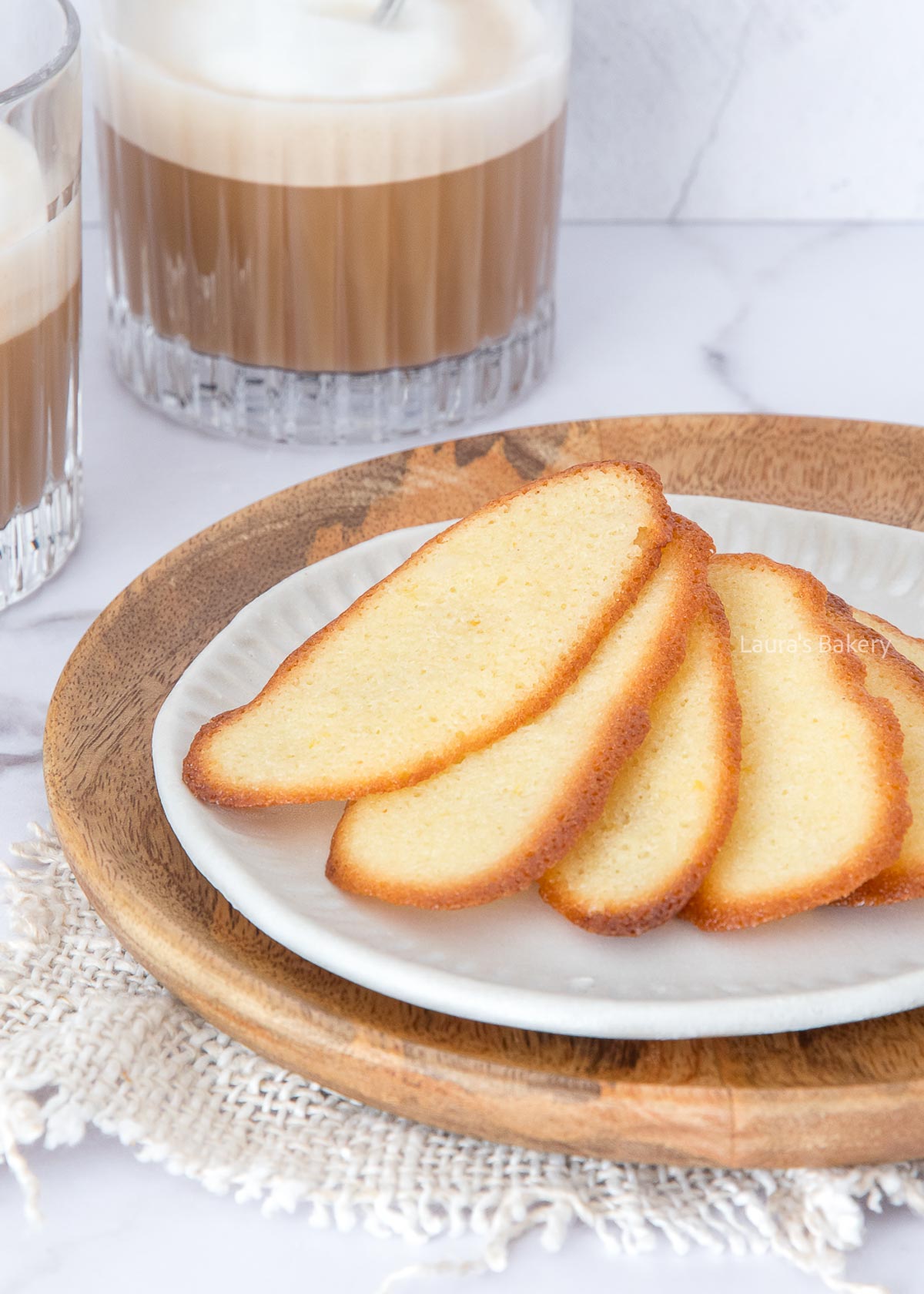
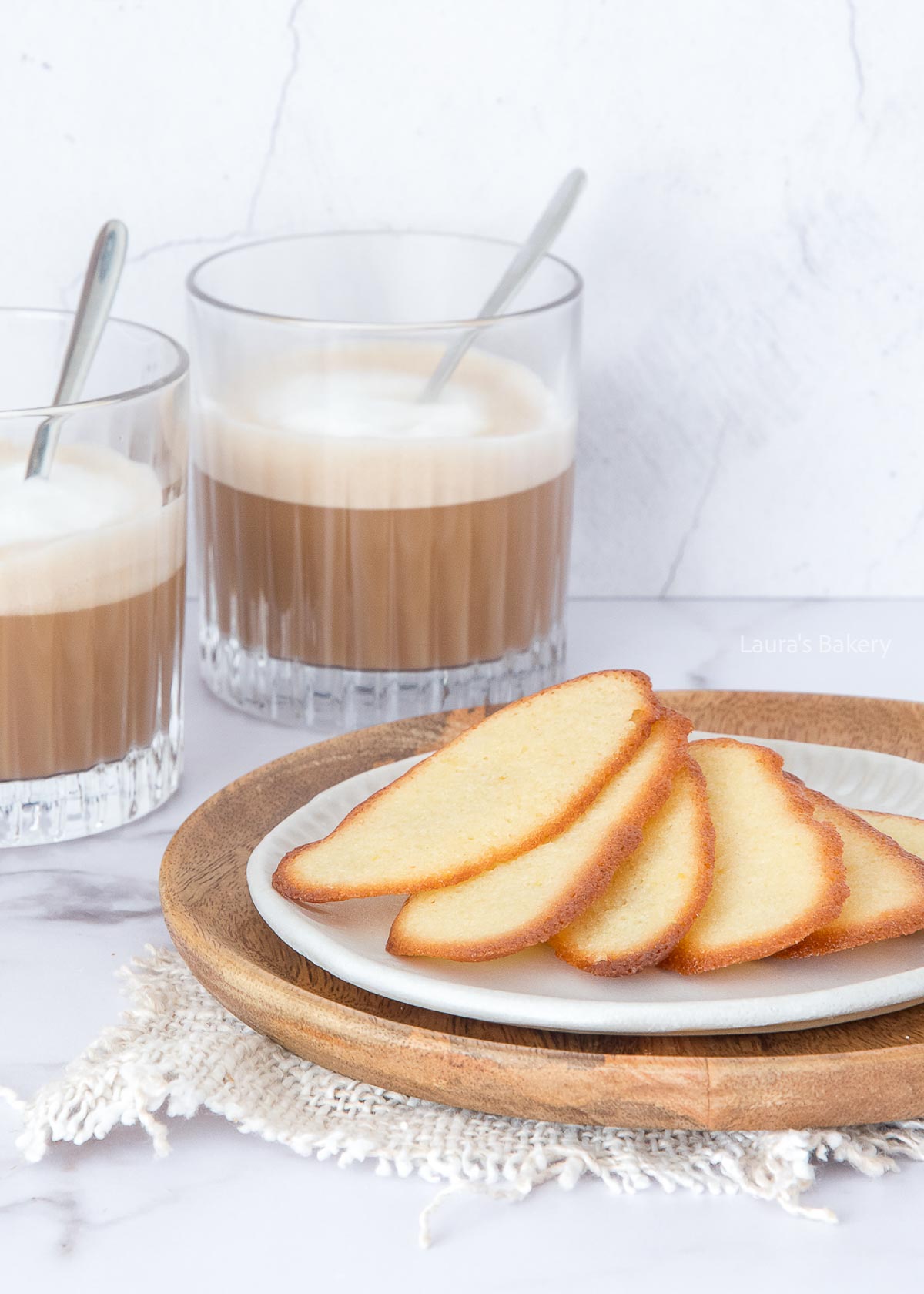
These delicious Dutch kattentongen or thin butter cookies are incredibly easy to make. You only need a handful of ingredients, and the result is a wonderfully light, crisp cookie with a delicate buttery flavor. Definitely one to try!

In the Netherlands, we call these cookies kattentongen, which literally translates to “cat tongues.” Don’t let the unusual name put you off, because these simple little cookies are seriously delicious.

What Are Thin Butter Cookies?

Thin butter cookies are delicate, oblong cookies that bake up wonderfully crisp in the oven. They’re delicious on their own with a cup of coffee or tea, but they’re also perfect for serving alongside dessert.

Try adding a few to an ice cream sundae or serving them with chocolate mousse. And perhaps my favorite option: dip one end in melted chocolate.

Kattentongen and langues de chat

In the Netherlands, these thin butter cookies are known as kattentongen. The name comes from the French langues de chat, which also means “cat tongues.”

The cookies originated in France but are now baked and enjoyed in many different countries. I have to admit, I’m not quite sure who looked at one of these cookies and thought of a cat’s tongue. They don’t really remind me of one. 😉
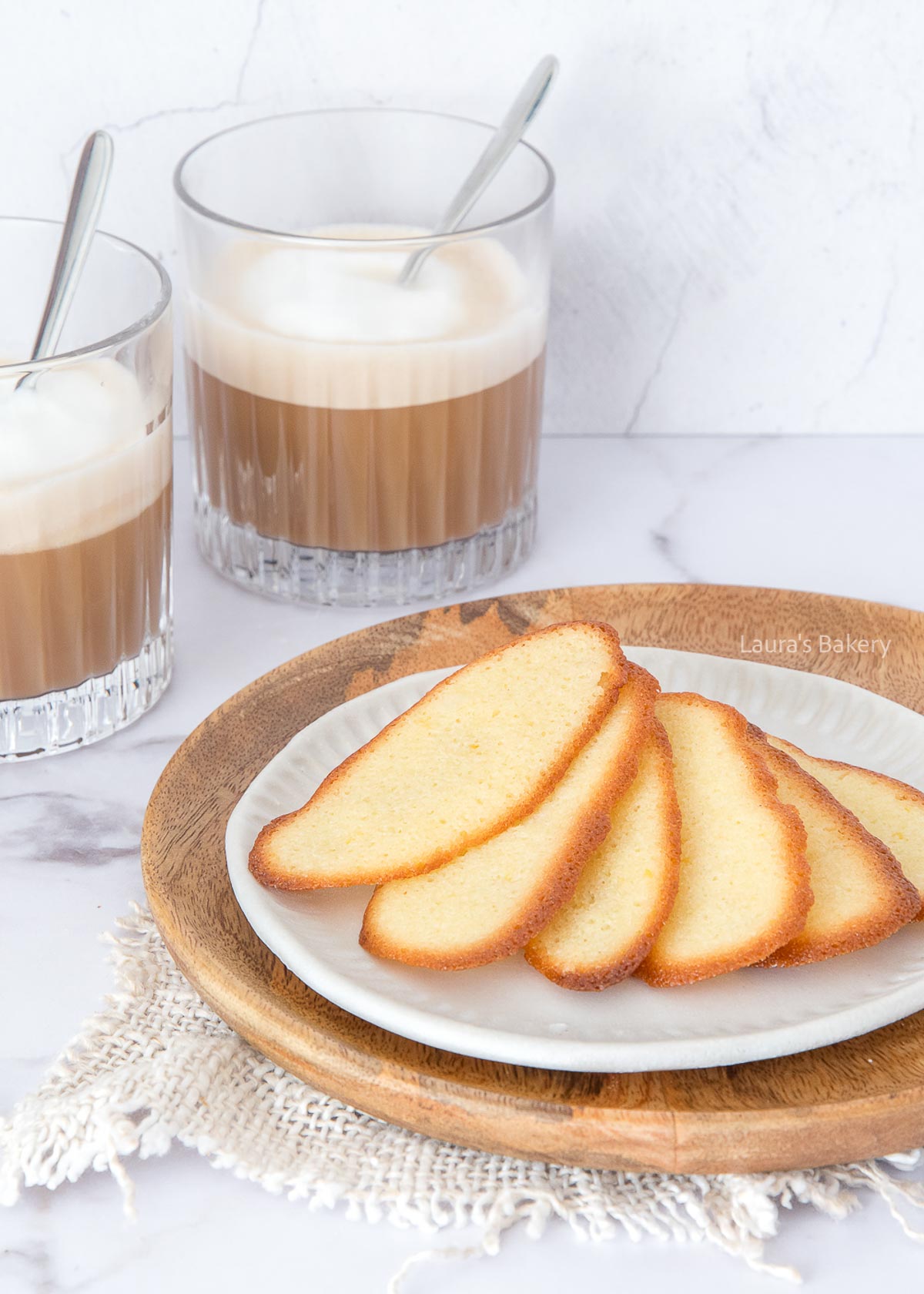

Buttery, Crispy and Addictively Good!

These are the kind of cookies that look impressive but are surprisingly simple to make.

  • You only need a few basic ingredients.
  • They’re wonderfully thin and crispy.
  • The batter comes together in minutes.
  • They’re perfect with coffee, tea, ice cream, or dessert.
  • You can dip them in chocolate for an extra special treat.
Dutch kattentongen-2

Recipe Ingredients

Ready to make these Dutch kattentongen or thin butter cookies? Here’s what you’ll need.

  • unsalted butter – make sure your butter is at room temperature. Unless a recipe says otherwise, I generally use room-temperature butter for baking
  • powdered sugar – powdered sugar blends smoothly into the butter and creates a soft batter that spreads nicely in the oven
  • all-purpose flour – regular all-purpose flour works perfectly for these cookies
  • egg whites – you’ll only need the whites for this recipe, so save those leftover egg yolks for another baking project (like this delicious lemon curd)
  • lemon zest – use an unwaxed or organic lemon if possible, and only grate the yellow part of the peel. The white pith underneath is bitter
  • vanilla extract – I love using homemade vanilla extract, but store-bought vanilla extract works just as well

How to Make Dutch Kattentongen

These cookies are made with what Dutch bakers call a roerdeeg, which is essentially a simple mixed batter. There’s no complicated technique involved. You simply mix the ingredients together until you have a smooth cookie batter. I usually let my stand mixer do the work for me.

Once the batter is ready, pipe it into narrow strips on a parchment-lined baking sheet. Although this is technically a cookie dough, the mixture looks more like a thick batter because it’s quite soft.

Don’t worry about that consistency. The cookies are supposed to spread quite a bit in the oven. That’s exactly how they become so wonderfully thin and crisp.

Dutch kattentongen-3

How to Store Kattentongen

Like most cookies, these thin butter cookies are easy to store. That is, if you manage not to eat them all first.

How long do thin butter cookies stay fresh?

Store the cookies in an airtight container at room temperature for up to two weeks.

Can you freeze thin butter cookies?

Yes! If you want to keep them longer, place the cookies in an airtight container or freezer bag. You can freeze them for up to three months.

More French Recipes

We have the French to thank for so many delicious cookies and pastries! Of course, we know our way around cookies in the Netherlands too, but looking at this list makes me pretty grateful for French baking.

Here are a few more recipes to try:

FAQ Dutch Kattentongen/Thin Butter Cookies

Can I replace the powdered sugar with granulated sugar?

I wouldn’t recommend it. Powdered sugar blends into the butter much more easily than granulated sugar. Sugar also plays an important role in the texture of cookies, so using a different type can change the final result.

I don’t have powdered sugar. What can I use?

Did you know you can easily make powdered sugar yourself? Simply blend regular granulated sugar in a high-powered blender until it becomes very fine and powdery.

Why aren’t my thin butter cookies crispy?

Every oven is different, so your cookies may need a little more time. Also make sure you let the batter rest for the full 30 minutes before piping and baking.

The edges should be golden brown when the cookies come out of the oven. They’ll become crispier as they cool.

Why did all my cookies spread together?

This cookie batter spreads quite a bit in the oven. Even though you pipe it into narrow strips, you need to leave plenty of room between each cookie.

If they’re piped too close together, the batter will spread into the neighboring cookies and you’ll end up with one giant cookie. Still tasty, but probably not what you were going for!

Can I dip thin butter cookies in chocolate?

Absolutely. Once the cookies have cooled completely, dip one end into melted chocolate and let them set on parchment paper. Dark, milk, and white chocolate all work well.


Dutch kattentongen

Save
Print recipe

No votes yet

Dutch Kattentongen (Thin Butter Cookies)

These easy thin butter cookies, known as kattentongen in the Netherlands, are made with just a handful of ingredients. They bake up wonderfully thin, buttery, and crisp.
Preparation15 minutes
Cooking10 minutes
Chilling30 minutes
Total55 minutes
Servings: 40 cookies

Ingredients 

  • 110 grams unsalted butter at room temperature
  • 100 grams powdered sugar
  • 90 grams all-purpose flour
  • 3 large egg whites
  • 2 tsp lemon zest finely grated
  • 1 tsp vanilla extract

Instructions

  • Beat the butter for a few minutes until light and creamy. Add the powdered sugar and mix until fully incorporated.
  • Add the flour and egg whites in several additions. Mix until each addition is almost incorporated before adding more.
  • Add the lemon zest and vanilla extract and mix until combined. Refrigerate the batter for 30 minutes.
  • Transfer the batter to a piping bag fitted with a large round piping tip, such as a Wilton 2A.
  • Line a baking sheet with parchment paper. Pipe strips of batter about 3 inches long, leaving plenty of room between them because the cookies will spread significantly.
  • Bake at 390°F/200°C (conventional oven) for 8-10 minutes, or until the edges are golden brown.
  • Let the cookies cool briefly on the baking sheet before transferring them to a wire rack. They’ll become crisp as they cool.
Tips

Make sure you leave enough space between the cookies or you’ll end up with one giant cookie.
How to store

Store the cookies in an airtight container for up to two weeks.

Links in this article may be affiliate links. If you purchase something through such a link, I will receive a small commission, without you paying anything extra.

Leave a comment

Your email address will not be published. Required fields are marked *

Recipe Rating