
Dutch Borstplaat (Traditional Dutch Fudge Candy)

Posted: October 9, 2026
Dutch Borstplaat (Traditional Dutch Fudge Candy)

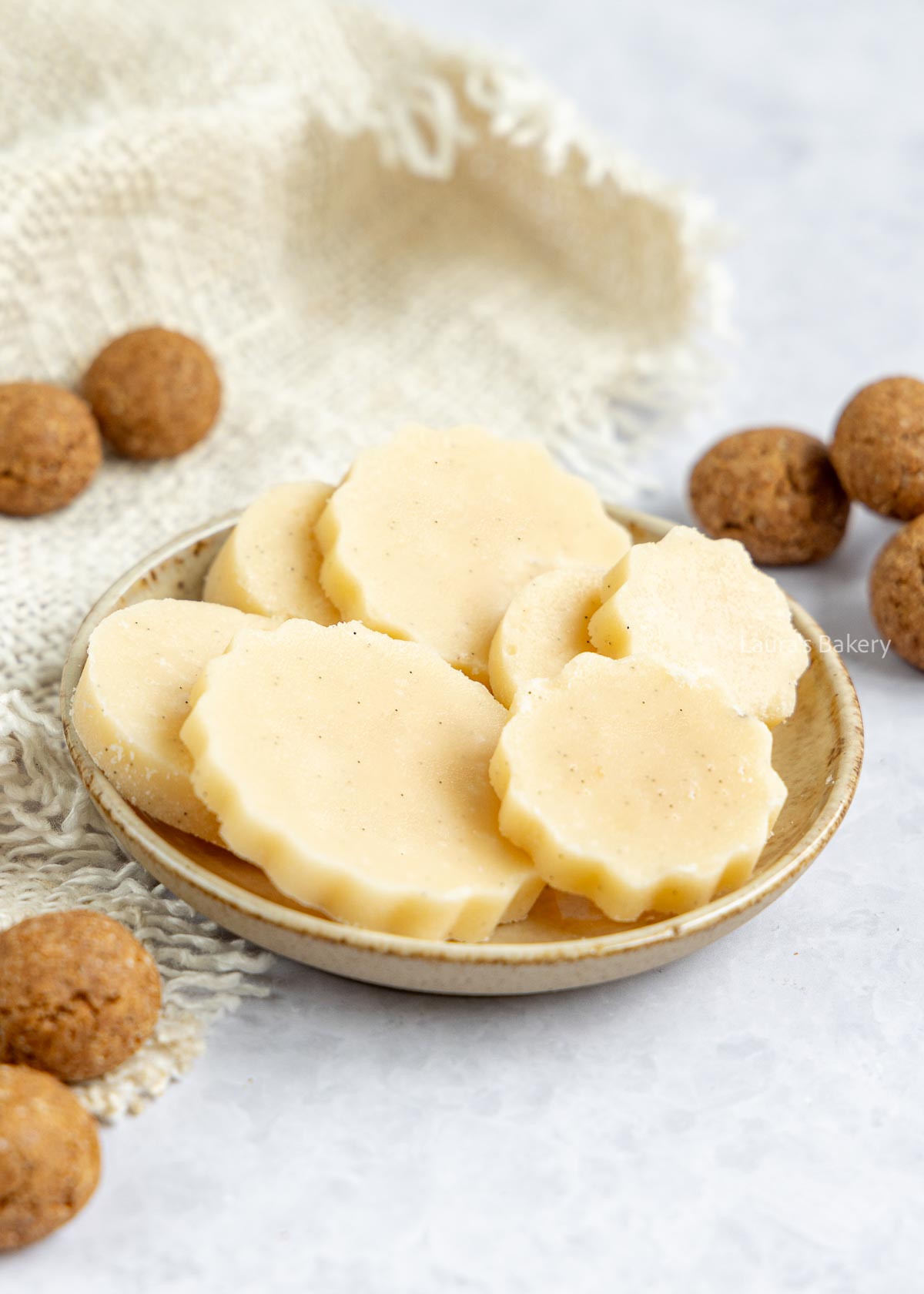
If you’ve ever wanted to make traditional Dutch borstplaat at home, you’ll be surprised by how simple it is. This creamy sugar candy comes together with just a handful of ingredients and can be poured into small molds or spread into a pan and broken into rustic pieces once it has set.

What is Dutch Borstplaat?

Borstplaat is a traditional Dutch fudge candy that’s especially popular during the Sinterklaas season in the Netherlands and Belgium. It’s made by cooking heavy cream and sugar together until the mixture reaches the right temperature, then allowing it to cool and harden into soft, creamy candies that practically melt in your mouth.

There are many different recipes for borstplaat. Some include butter, fondant, or only powdered sugar, but the classic versions always rely on cream and sugar as the main ingredients. This recipe makes a traditional vanilla borstplaat using real vanilla bean for the best flavor.

Perfect for The Holidays!

This recipe for traditional Dutch fudge candy is perfect if you’ve never made homemade candy before.

Here’s why:

  • Only a few simple ingredients
  • Rich, creamy vanilla flavor
  • Naturally gluten-free
  • Can be made in molds or broken into rustic pieces
  • Perfect for holiday cookie trays and edible gifts
Traditional Dutch borstplaat-2

Recipe Ingredients

You don’t need a lot of fancy ingredients for making traditional Dutch borstplaat. Check the exact ingredients and instructions in the recipe card below.

  • heavy cream – creates the rich, creamy texture that makes borstplaat unique
  • sugar – traditional Dutch recipes often use white basterdsuiker, which is also what I’ve used here. The best replacement would be to use a mixture of light brown sugar with white granulated sugar, although the texture might be slightly different. I’ve changed it in the recipe card to light brown sugar for the best replacement. The type of sugar you choose will affect the final color
  • confectioners’ (powdered) sugar – helps create the smooth, melt-in-your-mouth texture
  • vanilla bean – the seeds add beautiful flecks of vanilla throughout the candy and provide the best flavor
  • salt – a small pinch balances the sweetness
  • butter – only used for greasing the molds so the finished candies release easily

Baking Tip: A candy thermometer is highly recommended. It takes the guesswork out of the process and greatly increases your chances of success.

Choosing Molds

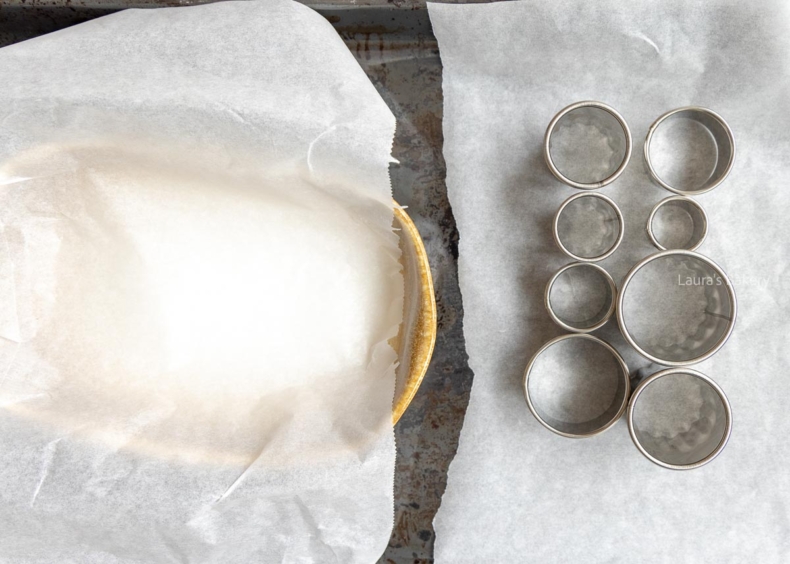
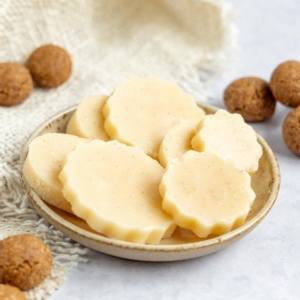
Many people recognize borstplaat by its classic round shape. Traditional borstplaat molds are available, but they’re certainly not required.

You can also use:

  • Cookie cutters placed on parchment paper
  • A silicone mini muffin pan
  • A parchment-lined baking dish

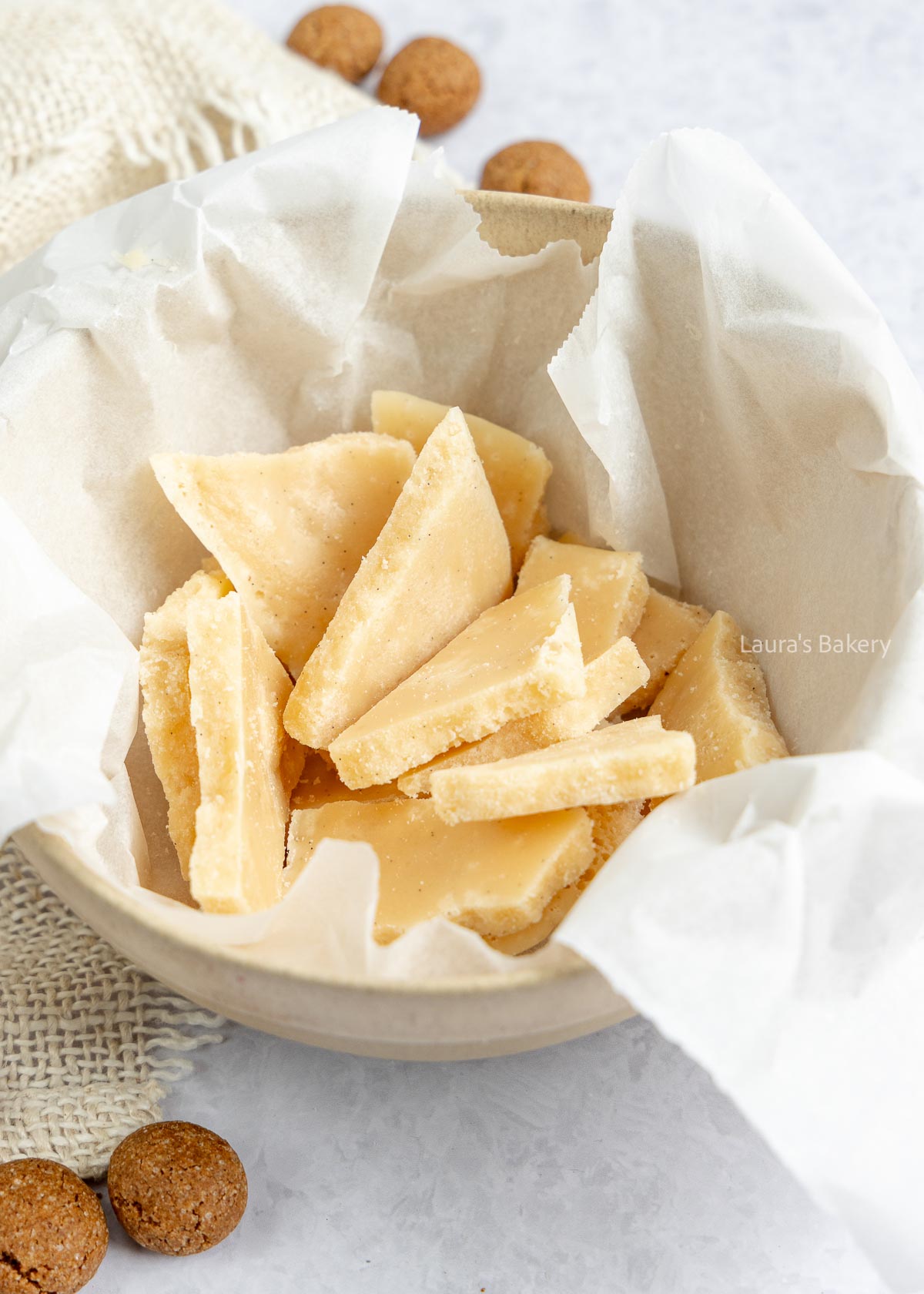
If you pour the mixture into a baking dish, simply let it harden before cutting or breaking it into pieces. Both methods work beautifully.

How To Make Dutch Borstplaat

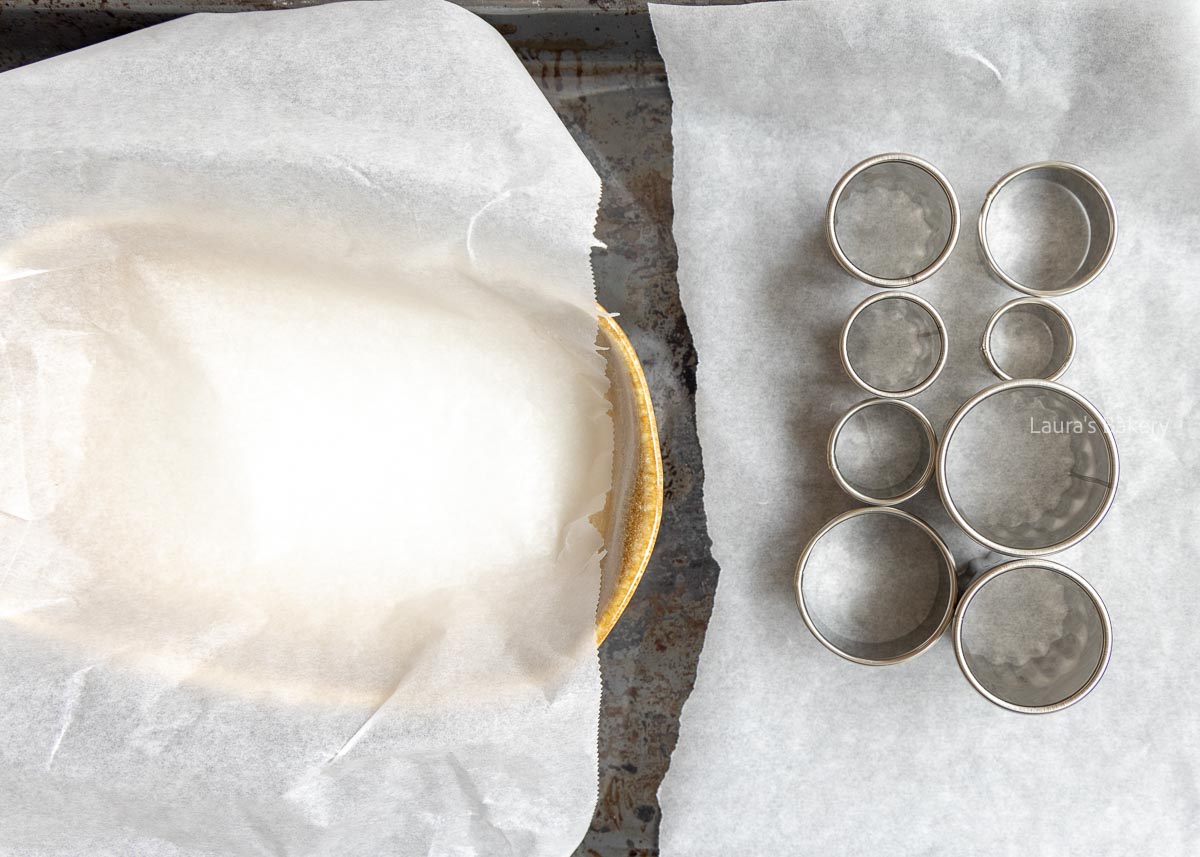
Brush the molds or line with parchment paper
1

Brush the molds with butter or line a baking tray with parchment paper

Open lightbox for image about Brush the molds with butter or line a baking tray with parchment paper
Bring the mixture to the boil and the right temperature
2

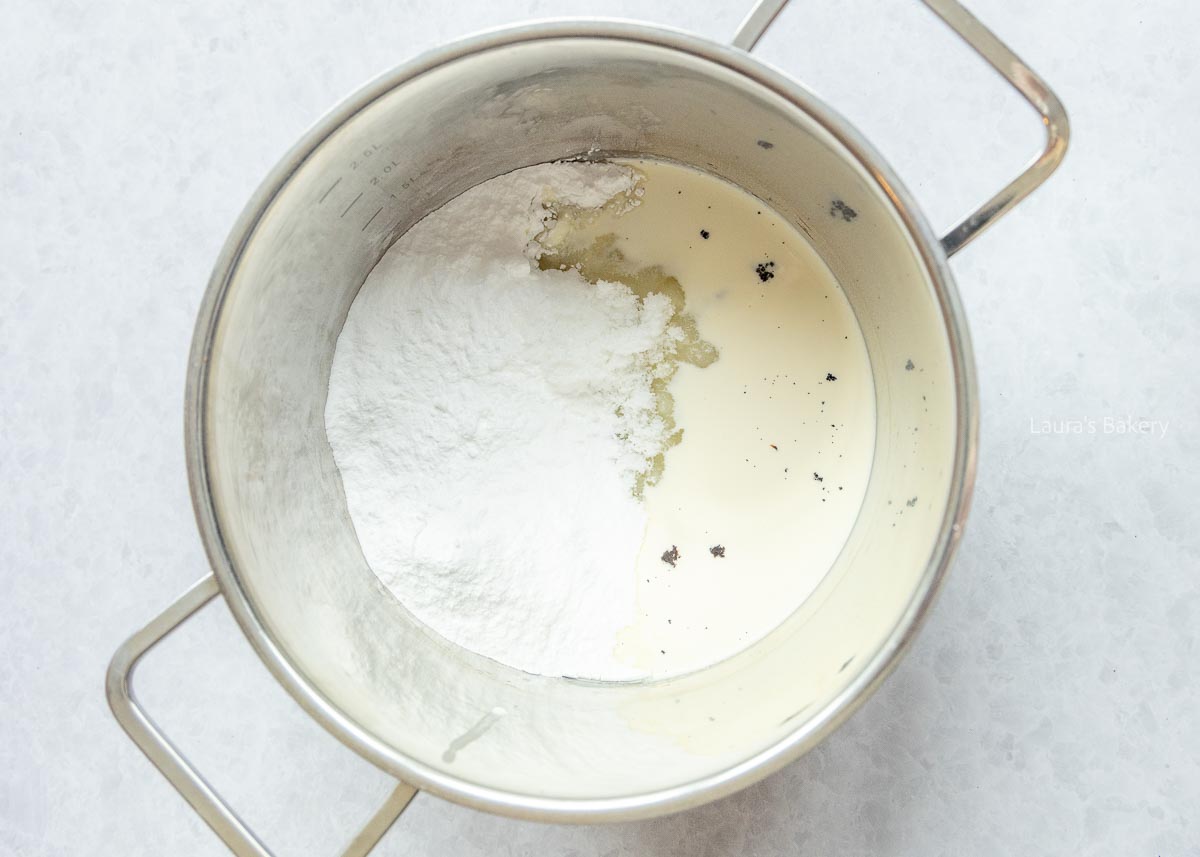
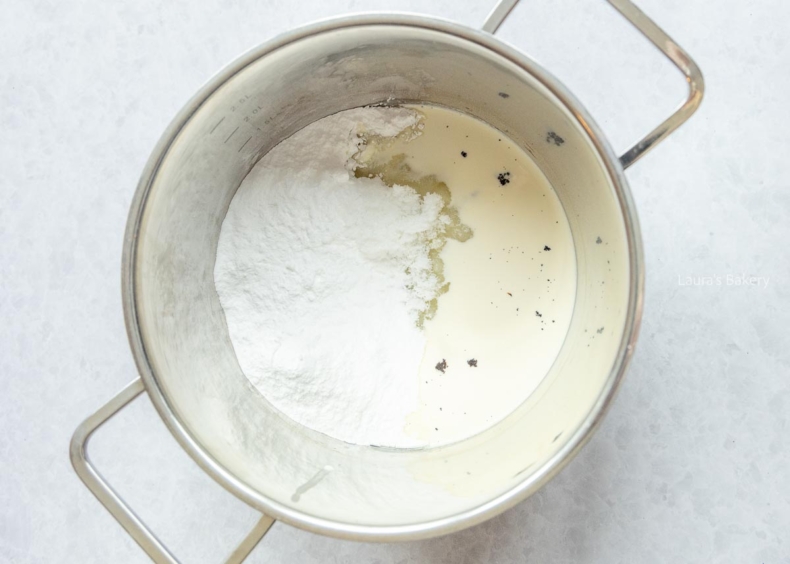
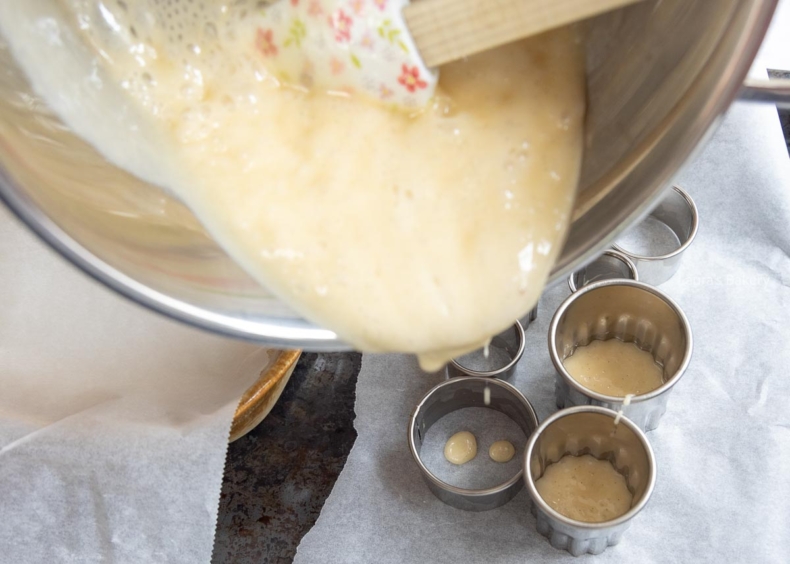
Add all ingredients into a large saucepan, bring to the boil and let it simmer.

Open lightbox for image about Add all ingredients into a large saucepan, bring to the boil and let it simmer.
Let it sit for 30 minutes at room temperature
4

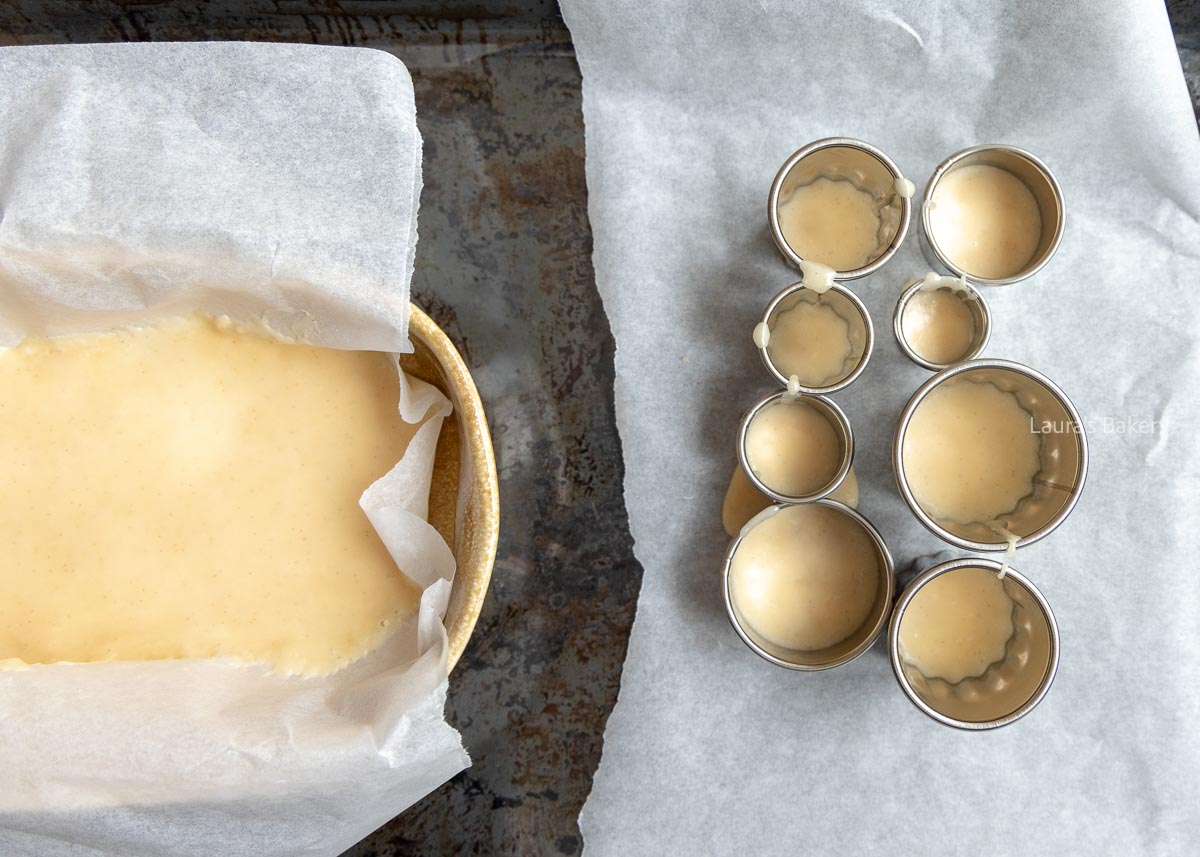
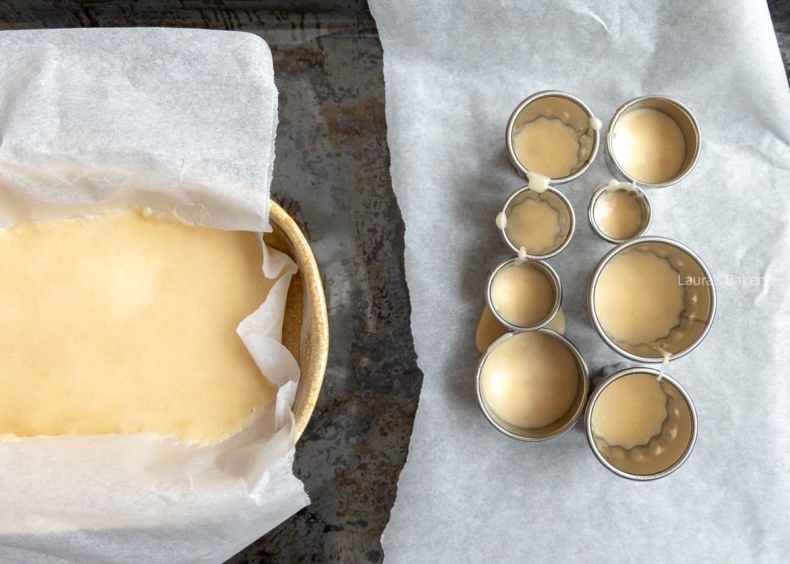
Let it sit for 30 minutes at room temperature.

Open lightbox for image about Let it sit for 30 minutes at room temperature.
1/4

More traditional Dutch Holiday Treats

If you enjoy making classic Dutch sweets during the holiday season, you might also like:

Storing Dutch Borstplaat

Homemade borstplaat is perfect for preparing ahead of the holidays or giving as a homemade gift.

How long does borstplaat stay fresh?

Store it in an airtight container in a cool, dry place for up to 2 weeks.

If you’re stacking the candies, place small pieces of parchment paper between the layers to prevent sticking.

Can you freeze borstplaat?

I haven’t tested freezing this recipe, so I can’t recommend it. Because of its delicate texture, it’s best enjoyed fresh.

Traditional Dutch borstplaat-3


Traditional Dutch borstplaat

Save
Print recipe

No votes yet

Dutch Borstplaat Recipe

Preparation5 minutes
Cooking25 minutes
Total30 minutes

Ingredients 

  • 100 ml heavy cream
  • 150 grams light brown sugar
  • 125 grams confectioners’ sugar
  • Seeds from ½ vanilla bean
  • Pinch of salt
  • Butter for greasing the molds

Equipment

  • Candy thermometer

Instructions

  • Grease your molds with butter and place them on a parchment-lined baking sheet. If you’re making rustic pieces instead, line a baking dish or baking sheet with parchment paper.
  • Combine the heavy cream, brown sugar, confectioners’ sugar, vanilla bean seeds, and salt in a large saucepan. The mixture will foam and nearly double in volume as it cooks.
  • Bring to a boil, stirring regularly with a heatproof spatula.
  • Reduce the heat and let the mixture gently simmer for about 20 minutes, or until it reaches 239°F (115°C) on a candy thermometer.
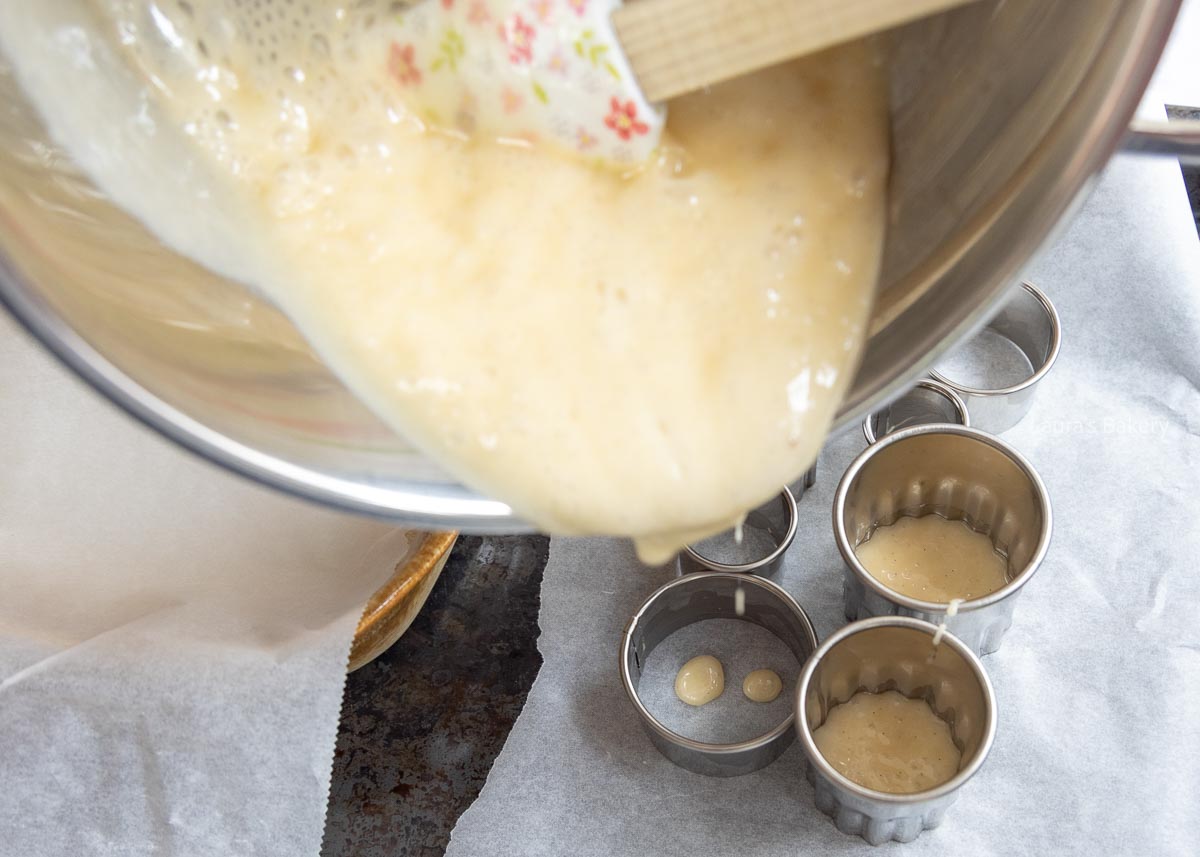
  • Immediately pour the hot mixture into the prepared molds or spread it about ¼ inch (½ cm) thick in the lined pan. Work quickly, as it begins to harden almost immediately.
  • Let the candy set for 30 minutes. If using molds, turn them over so the bottoms can dry completely before storing.
Tips

Don’t have a candy thermometer? Use the cold water test or ribbon test described in the FAQ section, but keep in mind the results are less consistent.
How to store

Store in an airtight container for up to 2 weeks in a cool, dry place. Place parchment paper between layers if needed to prevent sticking.

Links in this article may be affiliate links. If you purchase something through such a link, I will receive a small commission, without you paying anything extra.

Leave a comment

Your email address will not be published. Required fields are marked *

Recipe Rating