This Swiss meringue recipe has become my secret weapon for incorporating into buttercream for cakes to baking delicate meringues. Once you try it, you’ll never look back.

Silky Smooth Swiss Meringue

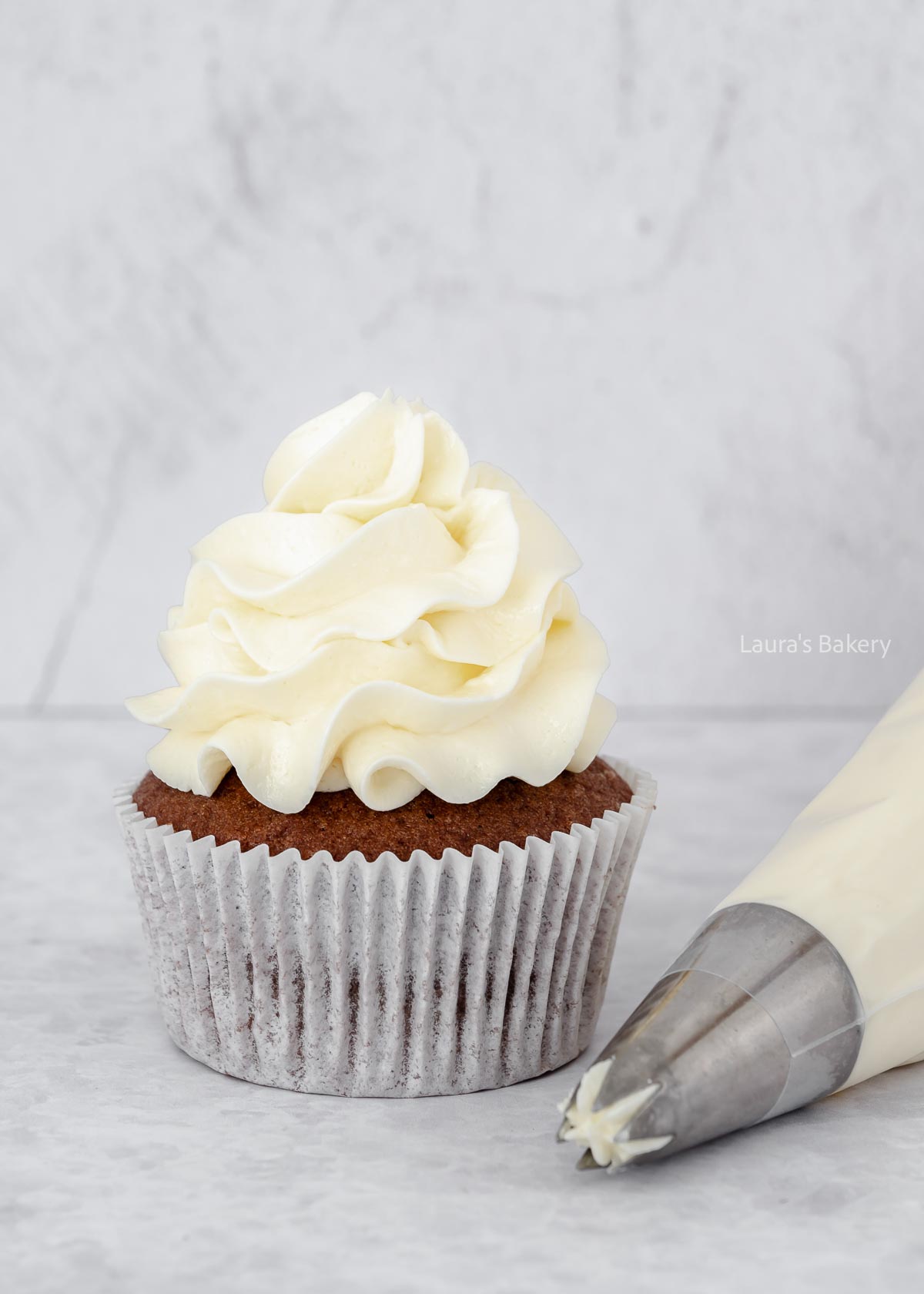
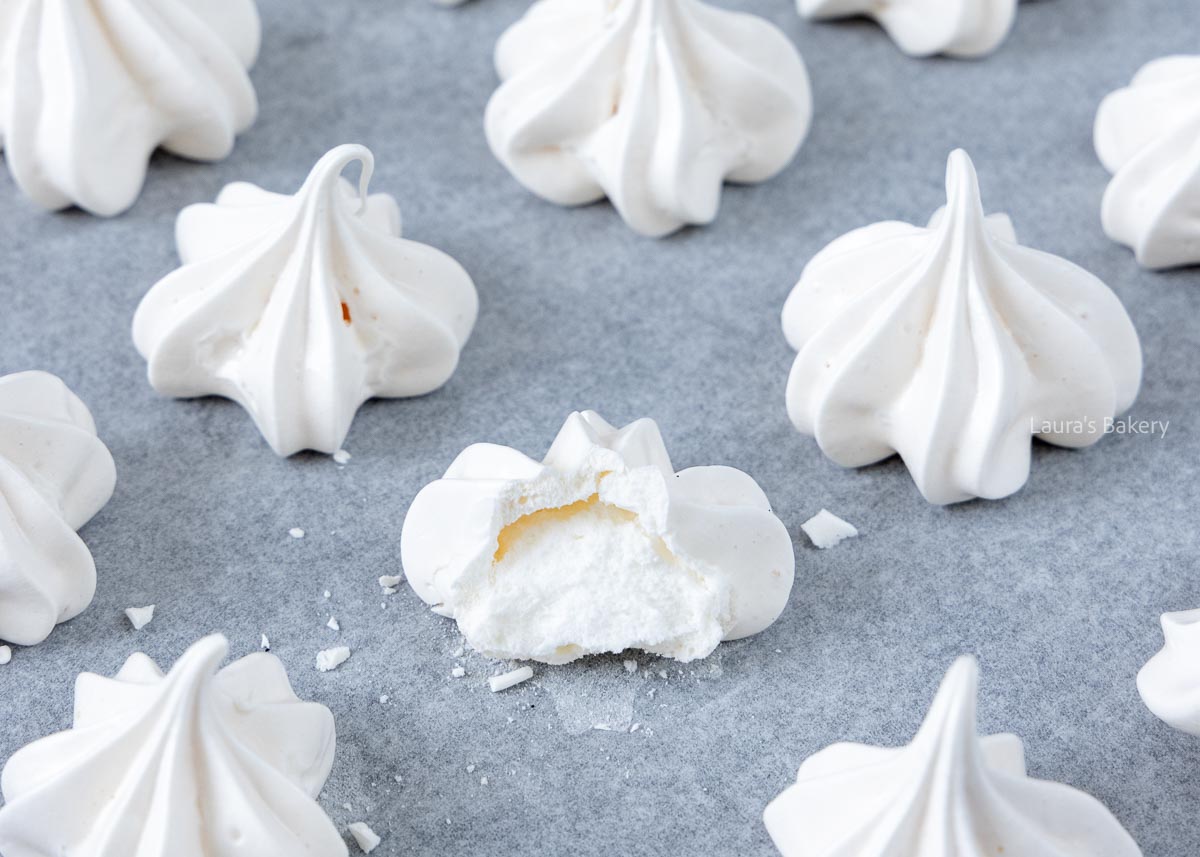
Since Swiss meringue is less airy, it is more stable and less fragile. This allows you to pipe beautiful shapes and bake them as small meringues. I love this method because it allows you to bake larger meringues with a soft center; perfect for making desserts like pavlova. Reminiscent of soft marshmallows, this Swiss meringue recipe builds sturdy layer cakes and beautiful cupcake swirls.

Swiss meringue-5

What Is Swiss Meringue?

Swiss meringue is also known as heavy foam. Because you heat the meringue together with the sugar in a bain-marie and only then whip it, fewer air bubbles form, resulting in a more compact and firm foam. This makes it very suitable for use in a firm buttercream, better known as Swiss meringue buttercream.

How does this compare to other meringues?

There are three well-known ways to make meringue: the French, Italian, and Swiss. Each of these methods involves roughly the same ingredients (egg whites and sugar) but the main difference lies in the preparation methods.

French meringue is a raw foam and the airiest type. Italian meringue is a cooked foam and falls between French and Swiss meringue in terms of firmness.

Is Swiss meringue safe to eat?

If you bake the meringue in the oven, you can be sure that it is safe to eat (for example, for pregnant women, children, or the elderly). When preparing Swiss meringue, it is best to use pasteurized egg white in this case.

To kill harmful bacteria, heating to at least 70°C/158°F is required. With the bain-marie preparation of Swiss meringue, the egg whites and sugar are heated to 55-60°C/131-140°F. At this temperature, the sugar melts, after which the mixture is immediately removed from the heat source.

At this point, the egg whites are semi-cooked and are then whipped until airy with a mixer until the mixture reaches room temperature. After this, the meringue is ready for further processing.

Swiss meringue buttercream-2

Recipe Ingredients

Only two ingredients? That’s right! But despite this very short ingredient list, be sure to check the full details in the recipe card below for fool-proof results.

  • egg whites – separated from the egg yolks
  • granulated sugar – adds sweetness and structure

Methods for separating eggs

When making meringue, it is of great importance that no fat (such as egg yolks) comes into contact with the egg whites. If this does happen, it is virtually impossible to whip the egg whites until stiff. Here are some methods I recommend:

The Shaking Method: Carefully break the egg in half and ‘shake’ the yolk from one half of the eggshell into the other while letting the egg white run out. You need three bowls for this: one bowl for the ‘clean’ egg whites, one bowl for the yolks, and the last bowl over which you work.

Yolk Fishing Method: Break the egg over the bowl you are working with and let it fall into the bowl; the yolk must remain intact. Using a piece of eggshell, or your hand cupping your fingers, fish the yolk out of the egg white and place it in the separate bowl for the yolks. The clean egg white goes into the bowl for the egg whites, and you repeat this process.

Hand as a Sieve: You will need one extra bowl, unless you manage to break the egg with one hand over the other.  So, you break an egg over a bowl, making sure again that the yolk remains intact. You pour this egg over your hand, spreading your finger slightly but not too much. You catch the yolk with your hand and let the egg white drip into a second small bowl. You do need quite a lot of bowls for this method and it gets a bit time-consuming.

Plastic Bottle Method: Crack an egg into a bowl or onto a somewhat deep plate and use the plastic bottle to suck the yolk out of the egg white. Just squeeze the bottle briefly, hold it over the yolk, stop squeezing, and the bottle does the rest. Then you pour the yolk into another small bowl.

Egg Separator Method: This is a type of sieve in which you catch the egg you break. The yolk is caught by the sieve and the egg white drips out through the sides. It’s a great tool to have in the kitchen.


Swiss meringue-4

How To Make Swiss Meringue

Swiss meringue
1

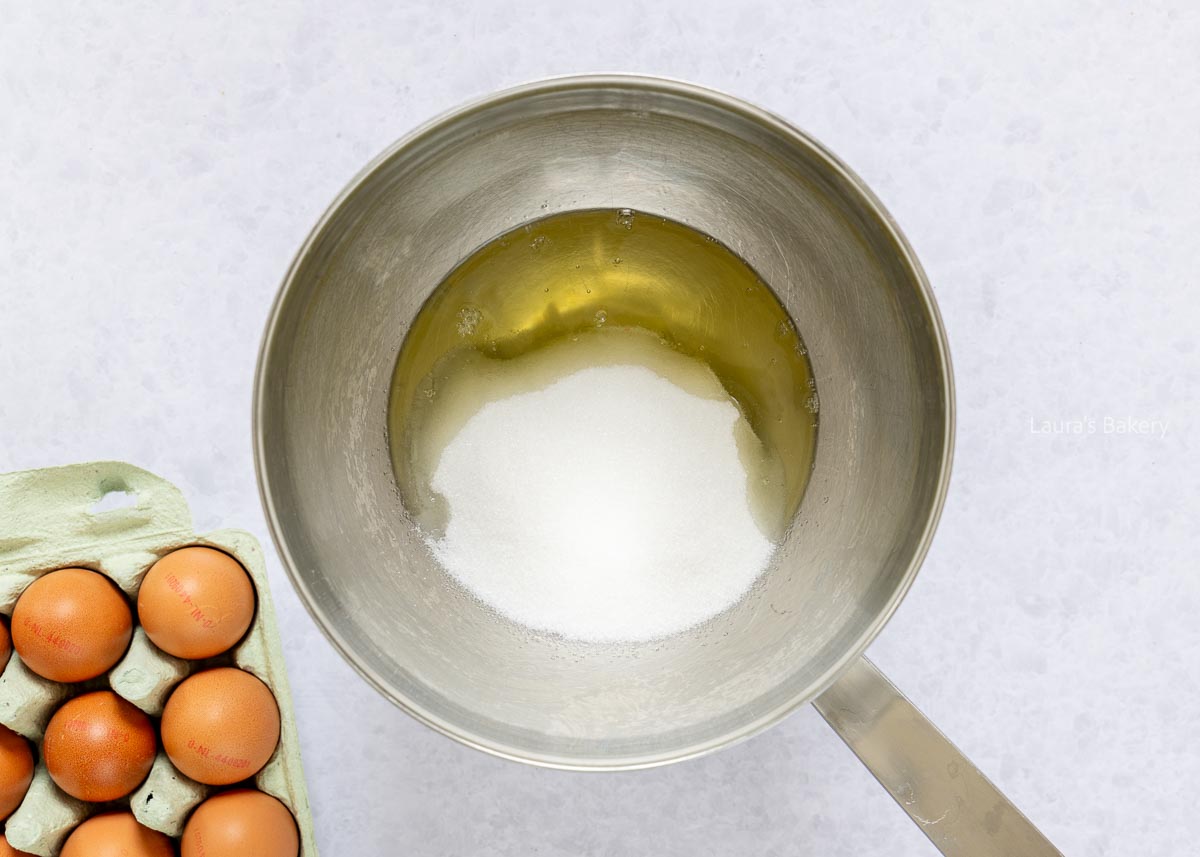
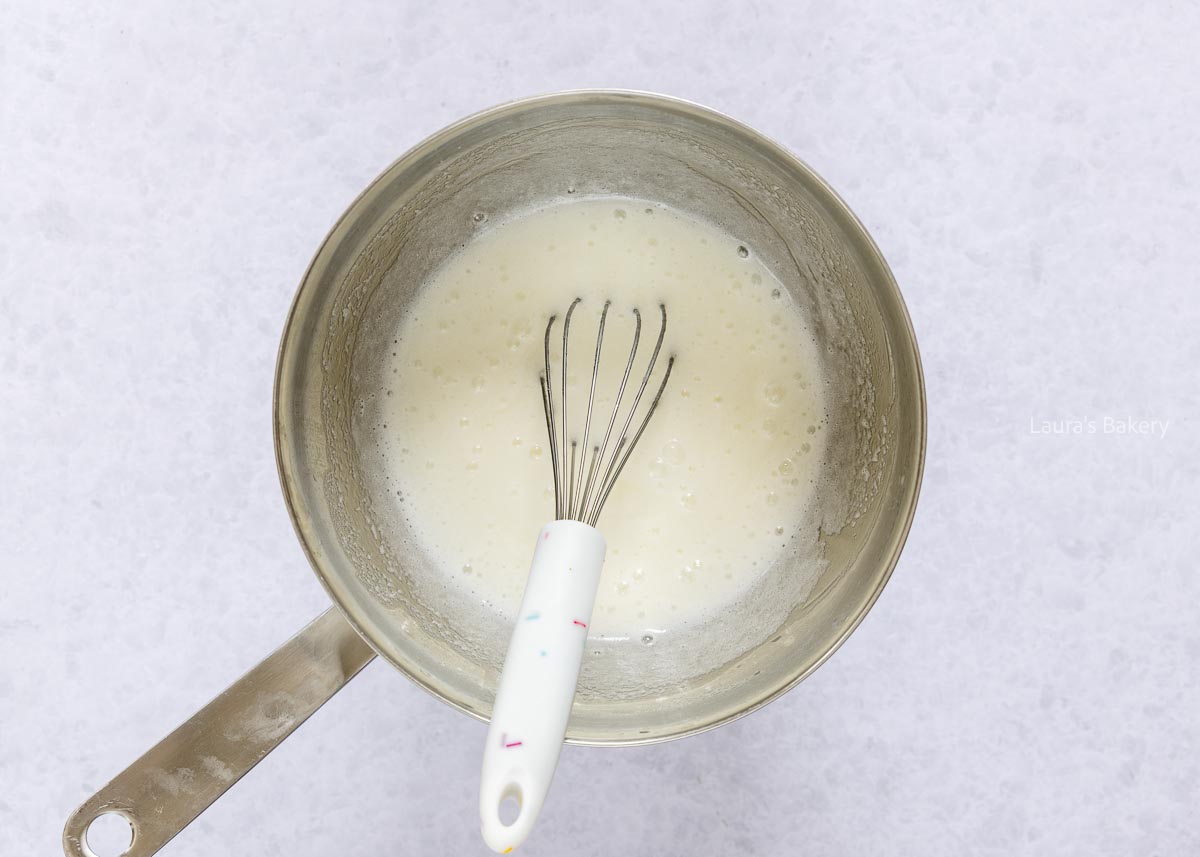
Dissolve the sugar in the egg whites, heated gently over a double boiler.

Open lightbox for image about Dissolve the sugar in the egg whites, heated gently over a double boiler.
Swiss meringue
2

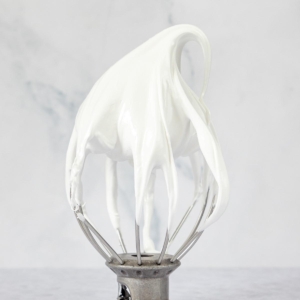
Remove from heat. Beat until cooled to room temperature and forms stiff peaks.

Open lightbox for image about Remove from heat. Beat until cooled to room temperature and forms stiff peaks.
3

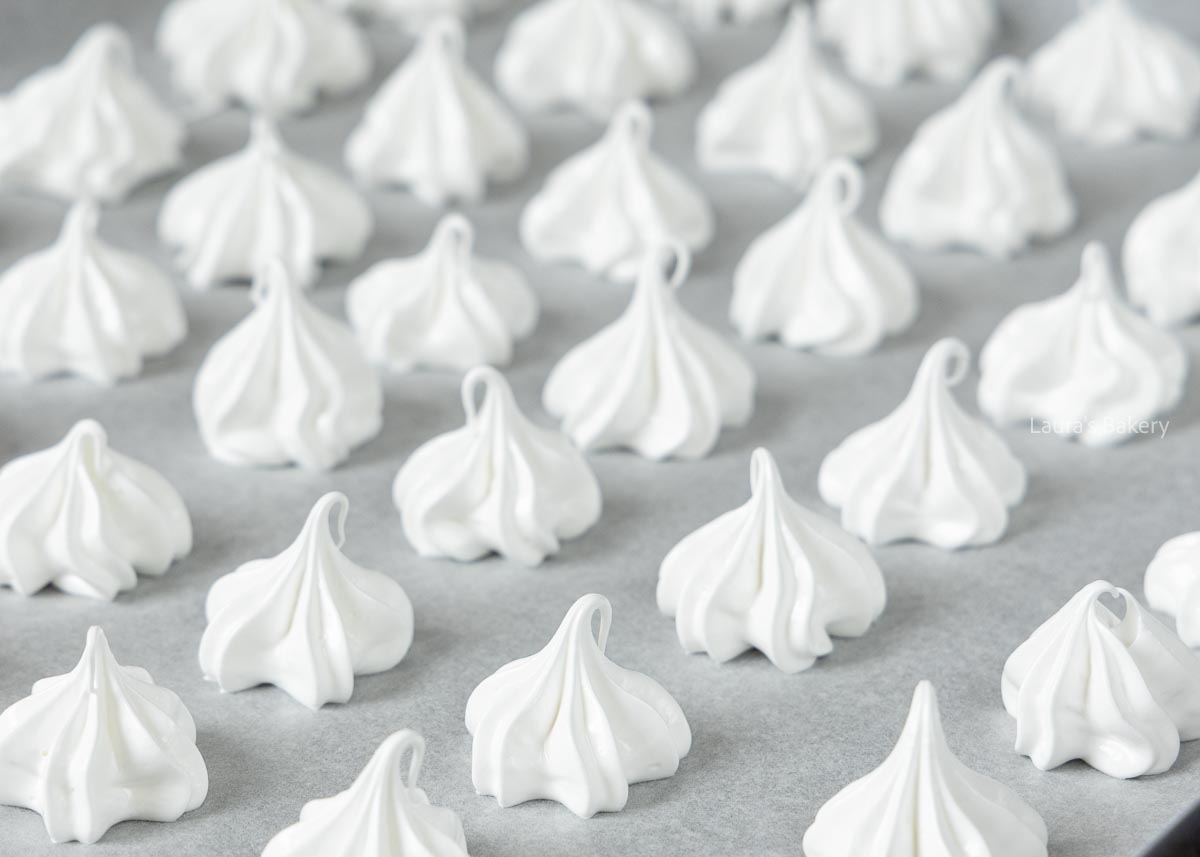
Pipe onto a baking tray to bake into meringues.

Open lightbox for image about Pipe onto a baking tray to bake into meringues.
Swiss meringues
4

Alternatively, use to make Swiss buttercream for cakes and cupcakes.

Open lightbox for image about Alternatively, use to make Swiss buttercream for cakes and cupcakes.
1/4

Storing Swiss Meringue

Swiss meringue is best used immediately and served the same day. Once baked, you can store the meringues in an airtight container for 1-2 weeks. I always place them in a container in the oven to store them.

It is best not to store the meringue in the refrigerator, as it will lose its airiness. However, if you use Swiss meringue to decorate a cake or cupcakes, you can keep it in the refrigerator overnight (provided it is well covered).

Can I freeze Swiss meringue?

No, I advise against freezing Swiss meringue.

More Meringue Recipes

If you love making this Swiss meringue recipe from scratch, you’ll also find it equally rewarding to try your hand at these similar recipes to use to make meringue cookies, pavlova desserts, or delicious frostings and fillings:

Swiss meringue buttercream-3

FAQ Swiss Meringue Recipe

Why won't my meringue mixture stiffen?

There is a good chance that fat accidentally got into the egg whites. Degrease your equipment thoroughly and carefully separate the egg whites and yolks. I get the best and airiest result with the whisk attachment of my stand mixer. It should also work with a separate whisk, and you’ll even get some great arm muscles as a bonus. 😉

Why is it important to degrease my equipment?

Any fat that comes into contact with the egg whites will prevent the mixture from forming stiff peaks. Ensure that all materials coming into contact with the protein are thoroughly cleaned and completely degreased. Do not just wash it with soapy water, but preferably also with lemon juice.

There are white lumps in my meringue. What is that?

These are probably pieces of coagulated protein. Stir the bowl regularly while heating in a bain-marie and/or ensure that it does not get hotter than 60°C/140°F. The bowl must not touch the water in the pan.

Anyone who wants to play it safe can also use a thermometer. 

My baked meringues have browned slightly. What happened?

In this case, the oven temperature was set too high. Since every oven is different, finding the right temperature sometimes takes a bit of trial and error. Next time, try setting the temperature 5-10°C/41-50°F lower.

Can I also color the foam?

Yes! You can leave your meringue mixture bright white or color it with food coloring before baking or using as a topping if you’d like. When I use food coloring, I always choose a paste, gel, or color powder. That way, you don’t add too much moisture, which can cause the foam to fail.

For more in-depth details of how to color this Swiss meringue foam, check out my tips for colored French meringue.


Swiss meringue

Save
Print recipe

No votes yet

Swiss Meringue Recipe

Use this Swiss meringue recipe as a topping for cakes and pies, fold it into Swiss meringue buttercream, or bake it into crisp, delicious meringue cookies.
Cooking20 minutes
Total20 minutes
Servings: 300 grams

Ingredients 

  • 3 egg whites about 115 g
  • 200 grams granulated sugar

Equipment

  • piping bag
  • Piping tip

Instructions

Make the Swiss Meringue

  • Combine the egg whites and granulated sugar in a heatproof bowl set over a pan of gently simmering water (a double boiler). Stir regularly until the sugar has completely dissolved.
  • Remove the bowl from the heat. If desired, transfer the mixture to the bowl of a stand mixer. Beat until the meringue has cooled to room temperature and forms stiff, glossy peaks.
  • The Swiss meringue is now ready to use as a cake topping, to make Swiss meringue buttercream, or to bake into meringue cookies.

Bake Meringue Cookies

  • Transfer the meringue to a piping bag fitted with your favorite piping tip and pipe any shapes you like onto a parchment-lined baking sheet. The meringues will hold their shape during baking, so you can pipe them fairly close together.
  • Bake in a preheated oven at 100°C/212°F (conventional oven). Small meringue kisses will be ready after about 1 hour, while larger meringues will need approximately 2 hours.
Tips

Are your 3 egg whites slightly lighter or heavier than 115 grams/ 4 oz.? As long as they weigh somewhere between 100-130 grams/ 3.5-4.5 oz., you don’t need to adjust the recipe. If there’s a larger difference, it’s best to scale the other ingredients proportionally.
How to store

Swiss meringue is best used immediately after it’s made.

Once baked, store the meringue cookies in an airtight container in a cool, dry place for 1-2 weeks.

Links in this article may be affiliate links. If you purchase something through such a link, I will receive a small commission, without you paying anything extra.

Leave a comment

Your email address will not be published. Required fields are marked *

Recipe Rating