



What are Pastries?
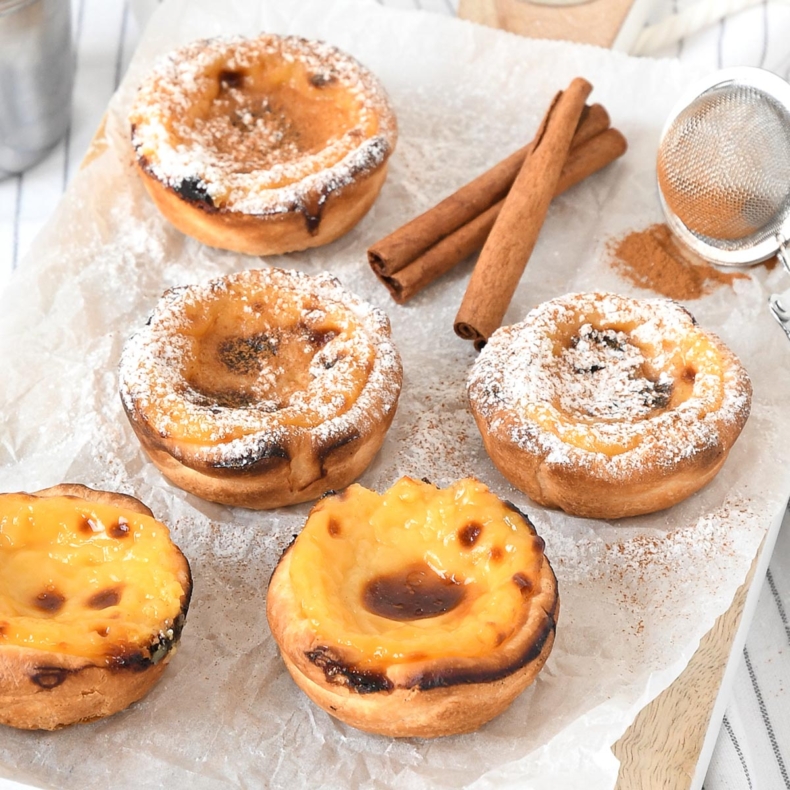
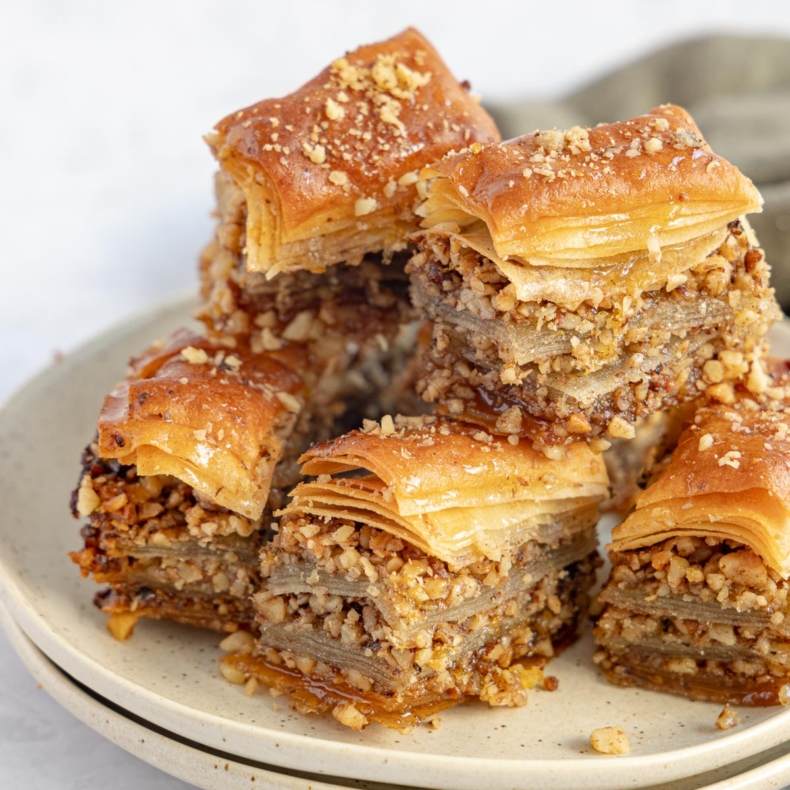
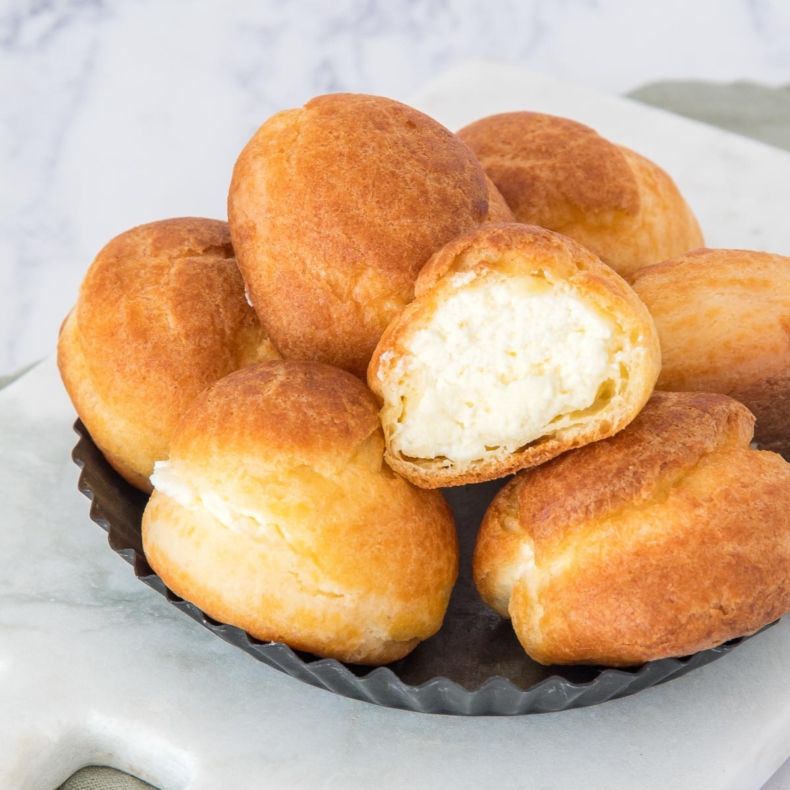
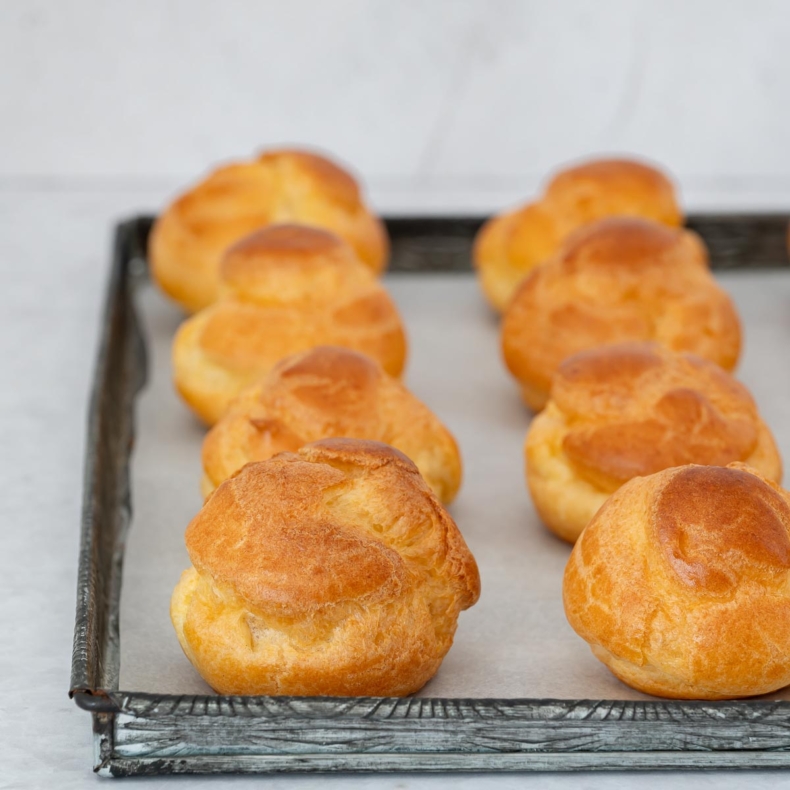
Pastries are baked goods made from a dough of flour, water, and a fat, which can be either savory or sweet. In the realm of sweet recipes, they include a vast array of treats, and I’ve also included a homemade choux pastry recipe that even beginner bakers can follow, allowing you to make some of the best pastries from the comfort of your kitchen.
When to Make Pastries
Pastries are incredibly versatile, making them perfect for almost any occasion. They are a classic choice for a sophisticated high tea or a festive holiday celebration, often featuring prominently during winter festivities like Christmas, although just as good for birthday parties, baby showers, and brunch.
But you don’t need a special event to enjoy them; they’re equally wonderful as a midweek dessert, a lunch box filler, or a comforting treat with your afternoon coffee. If you’re in the mood for something a little more refined and flavorful than a standard slice of cake, pastries are the answer.
Types of Pastry Recipes
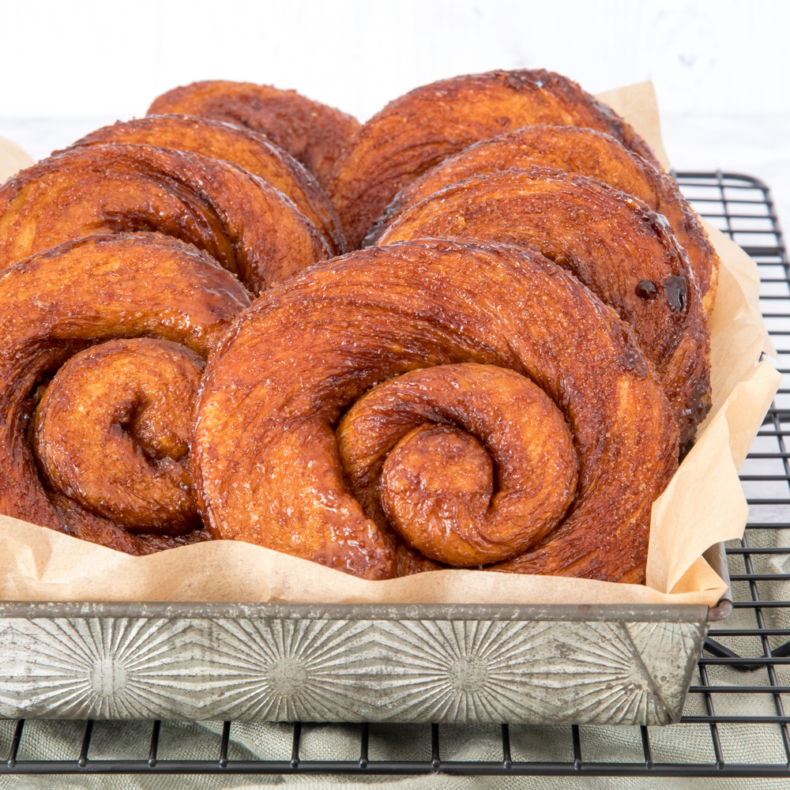
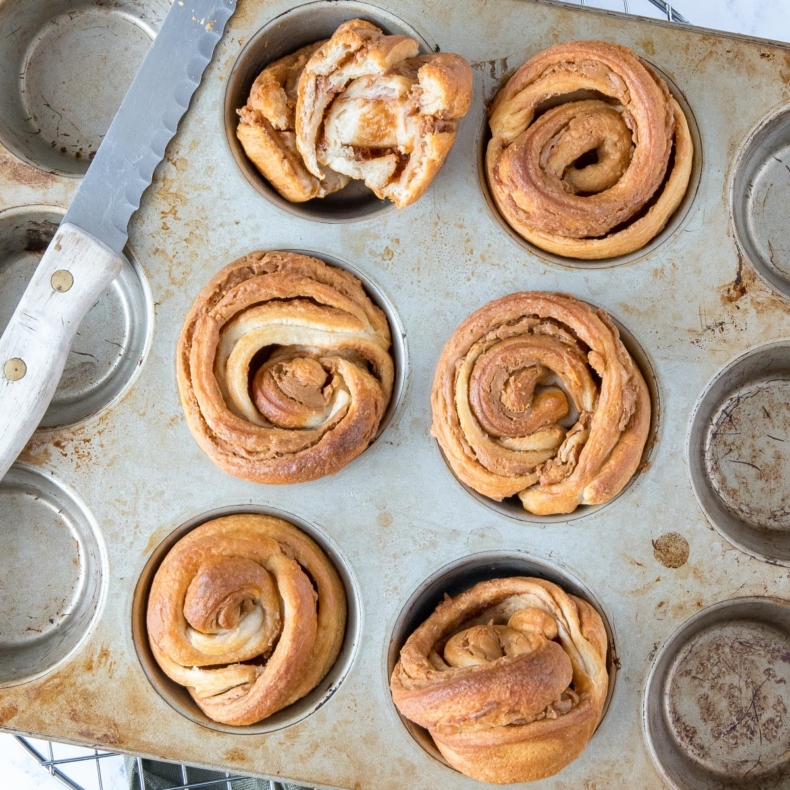
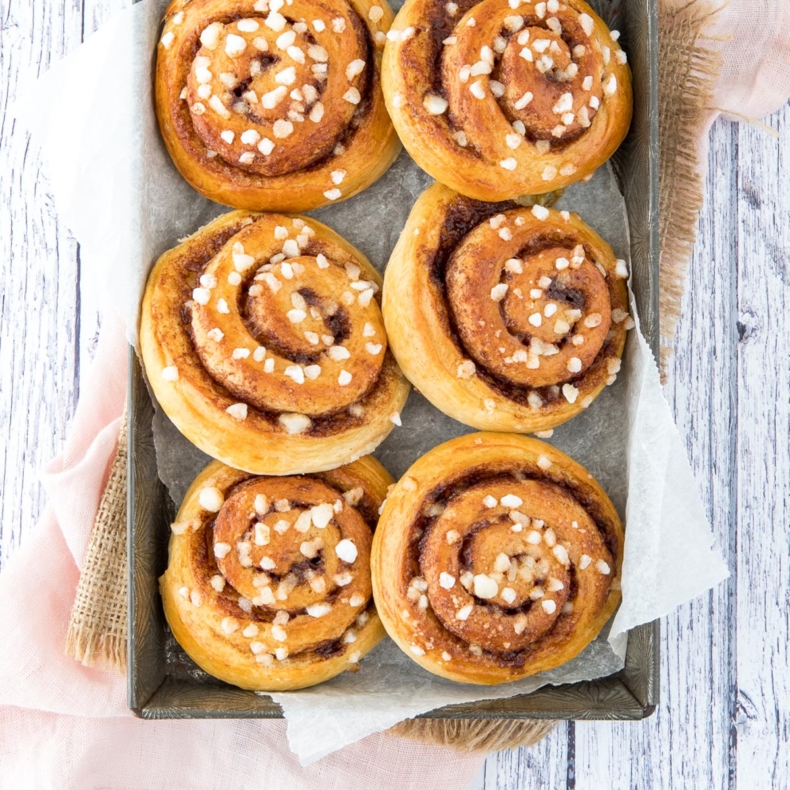
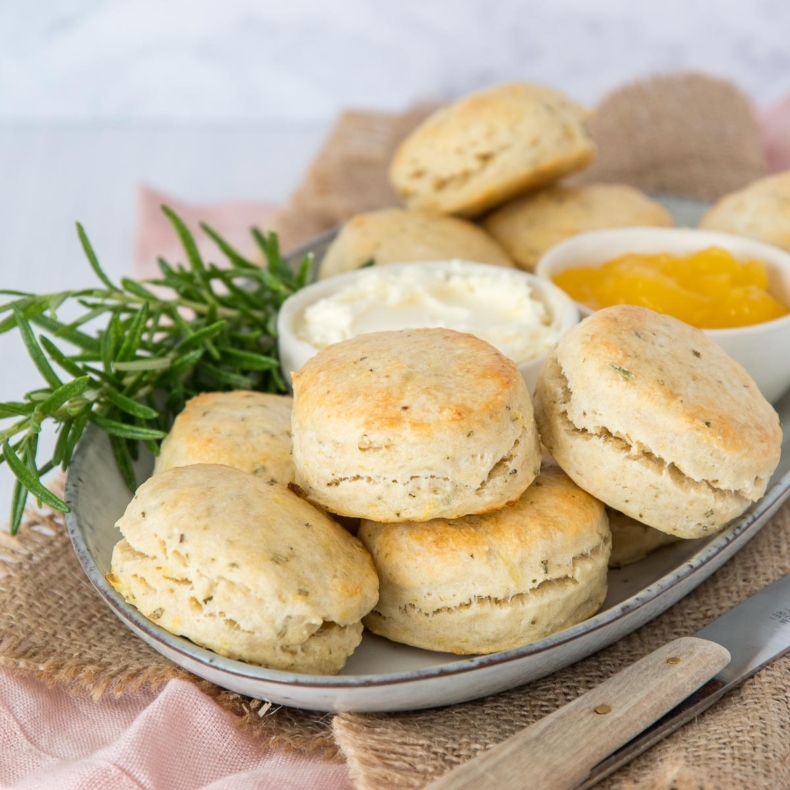
This category is a treasure trove of delicious possibilities. You can start with a basic yet essential skill, like our recipe for how to make choux pastry, which serves as the foundation for elegant cream puffs, profiteroles, and éclairs. From there, you can explore global favorites like Swedish cinnamon buns or these easy chocolate chip scones.
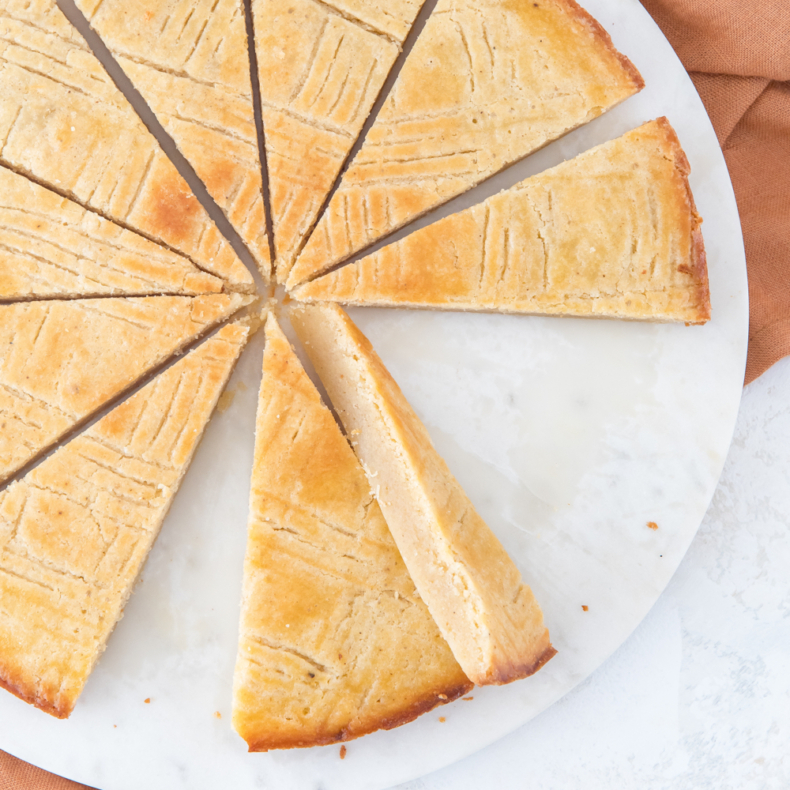
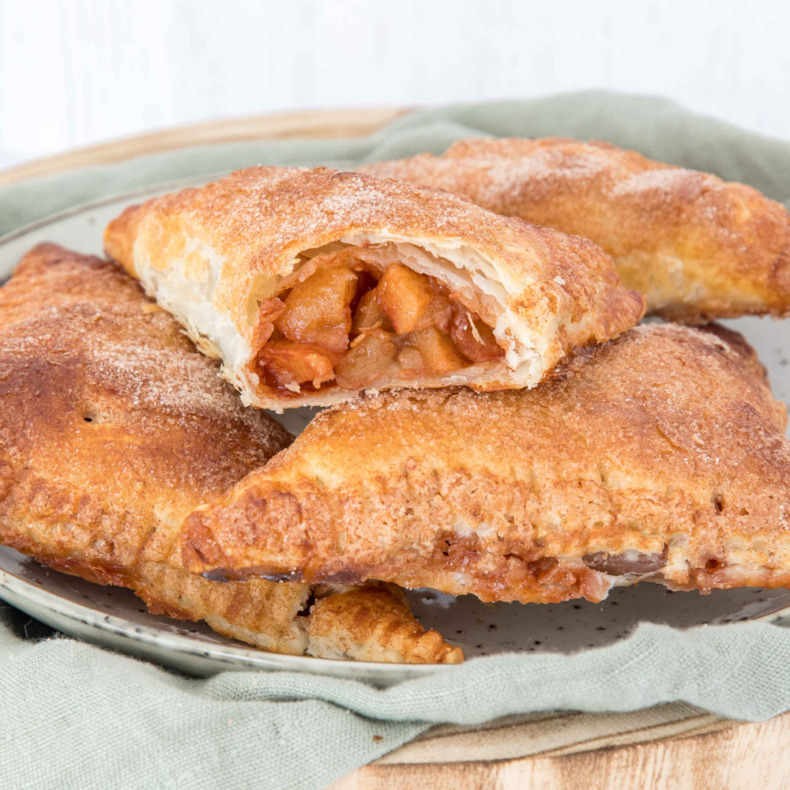
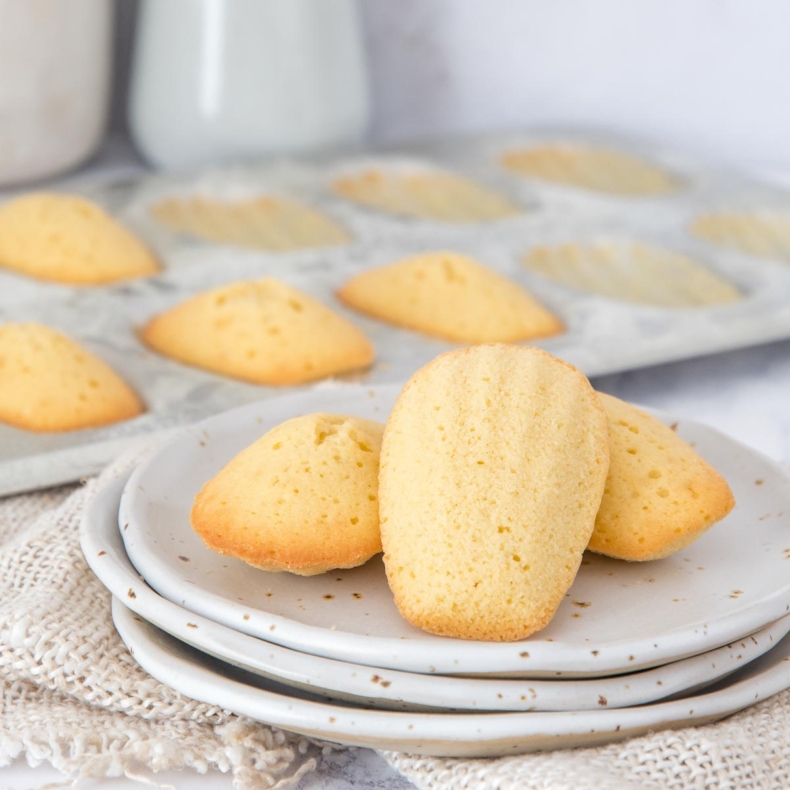
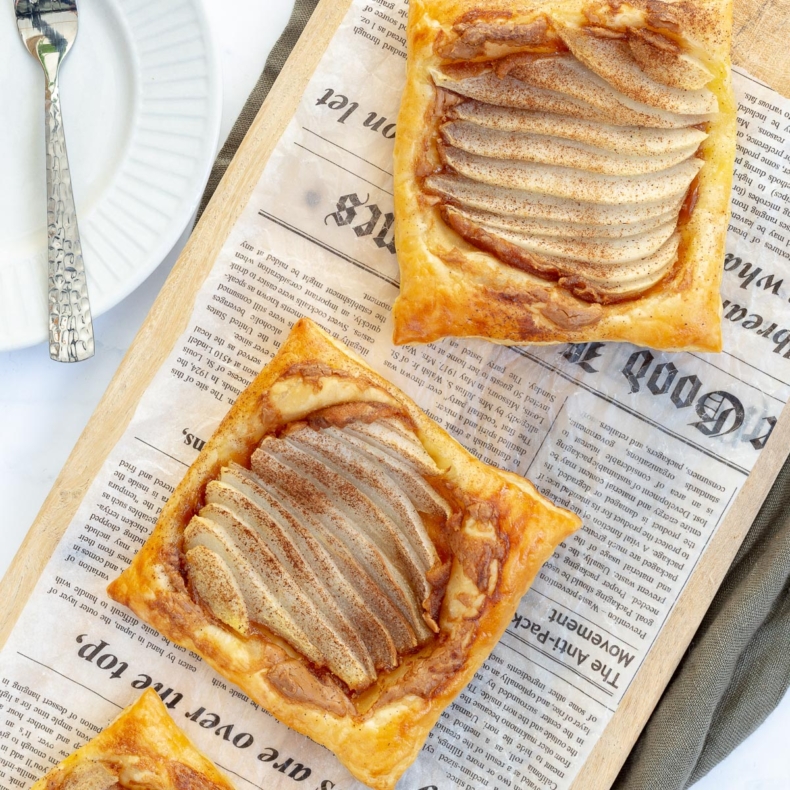
I also love to share Dutch specialties, such as the famous Dutch Banketstaaf (an almond paste-filled pastry log) or appelflappen (Dutch apple turnovers), which are especially popular during the winter months. For a French touch, you can master delicate madeleines, or for a fruity treat, try our easy pear tart with Biscoff or mini strawberry tartlets with pastry cream.
Tips for Baking the Best Pastries
Making beautiful, bakery-quality pastries at home is easier than you think! Follow these simple tips and tricks to elevate your baking game:
- For doughs like puff pastry, scones, or pie crusts, ensure your butter and any other fats are very cold. This is crucial for creating that desirable flaky texture as the cold butter creates steam pockets while baking.
- Overmixing the dough develops gluten, which can lead to tough, dense pastries. Mix or knead the dough only until it just comes together. This is especially important for scones, short crust, and choux pastry.
- For recipes like choux pastry, it’s essential to bring your eggs to room temperature before adding them to the dough to ensure they incorporate properly and help the pastries puff up.
- Unless you’re using silicone liners, always prepare your baking sheet or pan. For choux pastry, piping the dough onto a lightly moistened piece of parchment paper creates a humid environment that helps them rise beautifully without drying out.
- Never open the oven door too early. This is the golden rule for many pastries, especially delicate ones like cream puffs or soufflés. Opening the oven can cause a sudden drop in temperature and a loss of steam, causing your pastries to collapse. Wait until they are golden brown and set.
- Whether you’re making cream puffs or tartlets, always let your pastry shells or bases cool completely on a wire rack before adding any filling like pastry cream, lemon curd, or whipped cream. A warm pastry will melt your filling and ruin the texture.
- To maintain their delightful crispness, store unfilled pastries (like baked choux shells or scones) in an airtight container at room temperature for a couple of days. Once filled, they should be stored in the refrigerator and are best enjoyed on the same day.
Whether you’re looking to level-up your pastry skills or desire something simple yet still rewarding to bake, there’s a perfect pastry waiting for you to create.